Which Facebook campaign objective should you choose?
If you sell online, choose Sales. If you want calls, form fills or booked jobs, choose Leads. Meta has six objectives, but the setting that decides who sees your ad is the performance goal inside the ad set. Pick the objective that offers the goal you want to pay for.

The six Facebook campaign objectives in plain words
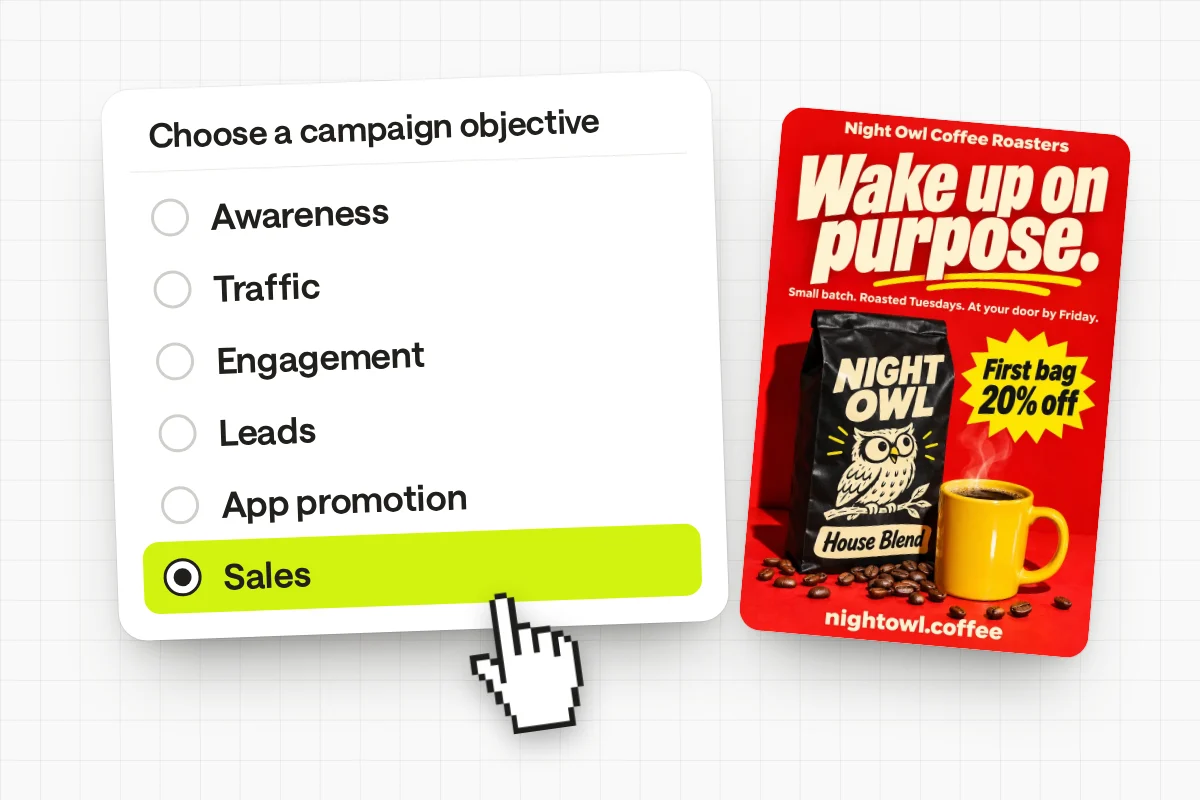
Meta merged its old list of 11 objectives into six in Ads Manager. Here they are with Meta's own one-line description from its objective guide:
- Awareness: reach the most people who are likely to remember your ad.
- Traffic: send people to a website, app, Page or other destination you choose.
- Engagement: find people likely to interact with your business online, such as starting a Messenger chat.
- Leads: collect leads through messages, phone calls or signups.
- App promotion: get people to install your app or do something inside it.
- Sales: find people likely to buy your goods or services.
If you remember older names, Meta's mapping page says Catalog sales became Sales, and the old Conversions objective now sits under Engagement, Leads or Sales depending on the action you track.
Which objective fits your business goal
Jon Loomer, a long-time Meta ads educator, suggests working backwards: start with what you want to happen, pick the performance goal that measures it, then choose the objective that offers that goal. For most small businesses that lands on one of two:
- Online store (example: a candle shop on Shopify): Sales. You want purchases, and Sales is the objective Meta built for finding buyers.
- Service business (example: a plumber or a dog groomer): Leads. Meta describes it as collecting leads through messages, calls or signups.
- A brand-new local spot with nothing to sell online yet: Awareness can put your name in front of nearby people, but it won't tell you who bought.
- A mobile app: App promotion.
Engagement fits when your sale happens in a chat, like a bakery that takes custom cake orders by message. Traffic fits few small-business goals, for the reason below.
Why the Traffic objective rarely brings sales
Traffic does what it says. With the link clicks goal, Meta shows your ad to the people most likely to click. That group overlaps only partly with the people most likely to buy.
Loomer's guide to performance goals flags a significant risk of low-quality clicks with link clicks and says landing page views often bring low-quality traffic too. Elsewhere he puts it bluntly: those two goals will only drive a bunch of clicks.
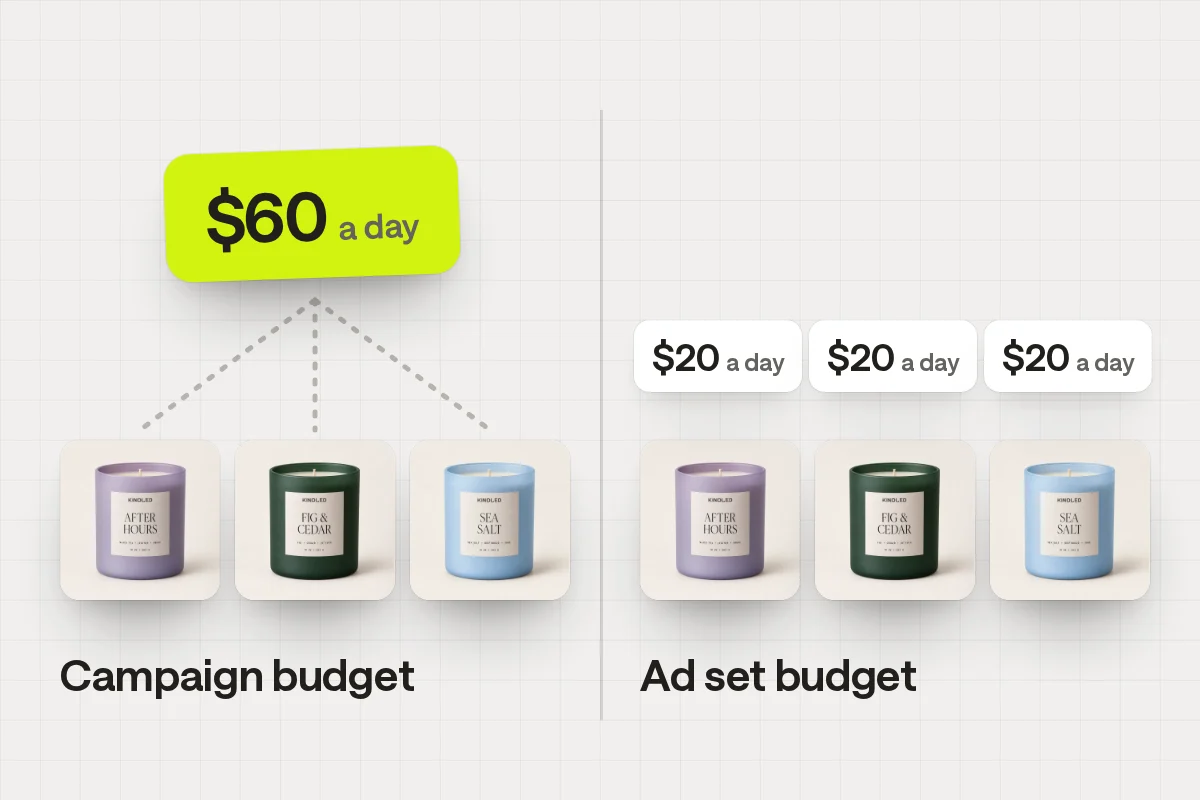
A worked example. Say the candle shop spends $20 a day on Traffic and gets 200 cheap clicks, then zero sales. The ad did its job. The job was clicks. Switch the same money to Sales with a purchase goal and Meta looks for a smaller group of likely buyers instead. Each click may cost more.
Traffic still has a place for a blog post or a page you want read. For sales or leads, choose the objective that names them.
Performance goals and conversion events inside Sales and Leads
After you pick an objective, the ad set asks for three more things. These settings decide what Meta optimizes for, which is why they matter more than the objective name.
Conversion location
This is where you want people to act after seeing your ad. For a shop, that is usually your website.
Performance goal
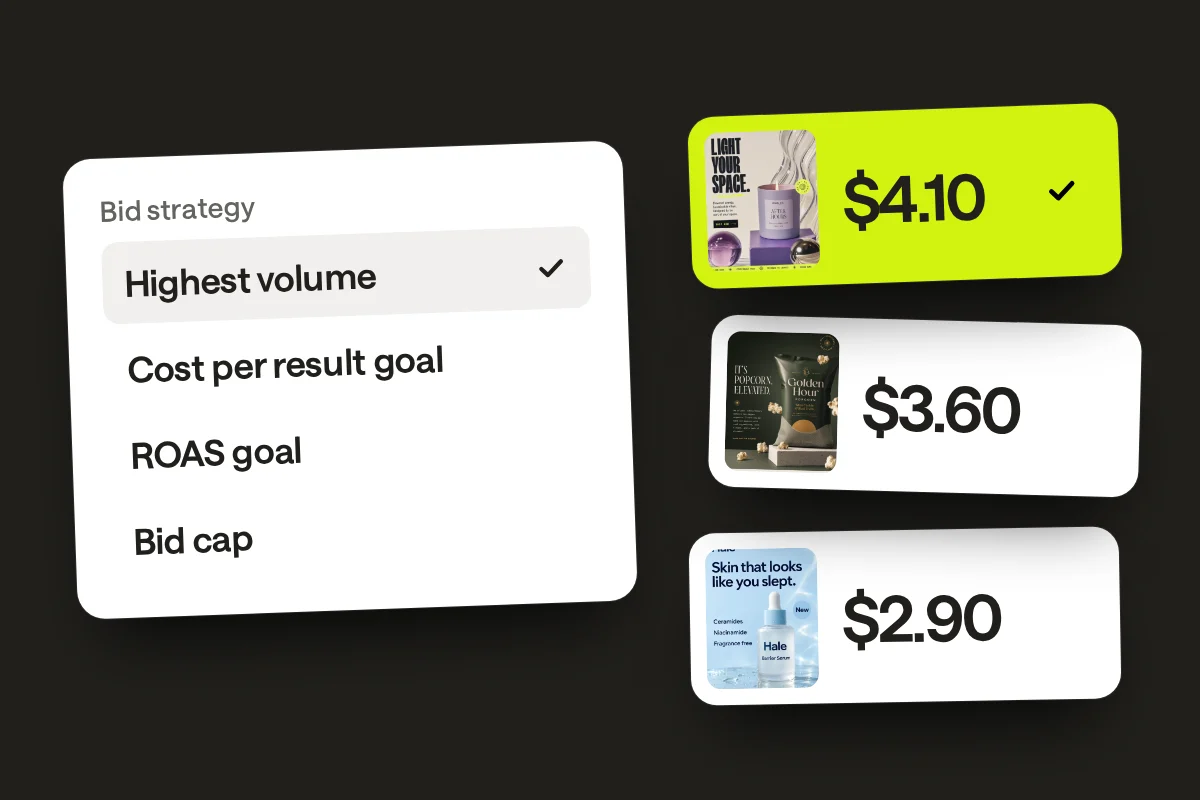
With Sales and a website location, Loomer's list of options includes maximizing conversions, maximizing the value of conversions, link clicks, landing page views, impressions and daily unique reach. With Leads and a website location, the list is the same minus value. Pick conversions. The value option helps stores with a wide range of prices, since it aims for bigger orders over a higher count.
Conversion event
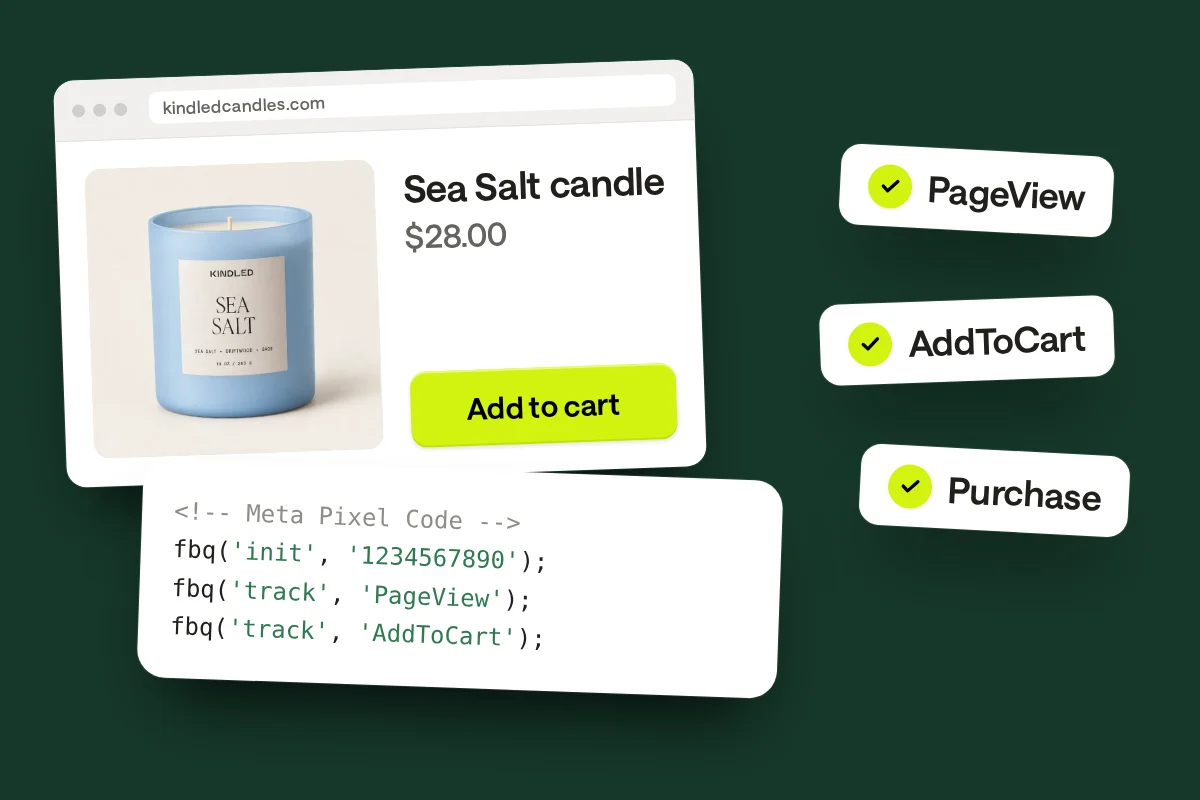
This is the action your Meta pixel (a small piece of tracking code on your site) reports. Meta's standard events include:
- Purchase: a completed checkout.
- Lead: a completed sign up.
- Contact: someone reaches you by phone, text, email or chat.
- Schedule: someone books an appointment.
- AddToCart: a product goes into the cart.
Choose the event closest to money. A store picks Purchase. A plumber with a booking form picks Schedule or Lead.
Common objective mistakes
- Choosing Sales, then setting the goal to link clicks. The goal decides delivery, so this campaign is a Traffic campaign with a different label.
- Optimizing for a step that isn't the sale. Add to cart is easier to get than a purchase, and Meta will find people who add to cart.
- Picking Awareness to get sales. It aims at people likely to remember the ad, which is a different person from a buyer.
- Changing objectives every few days. Give one setup a fair run. Our guide to the learning phase explains how long that takes.
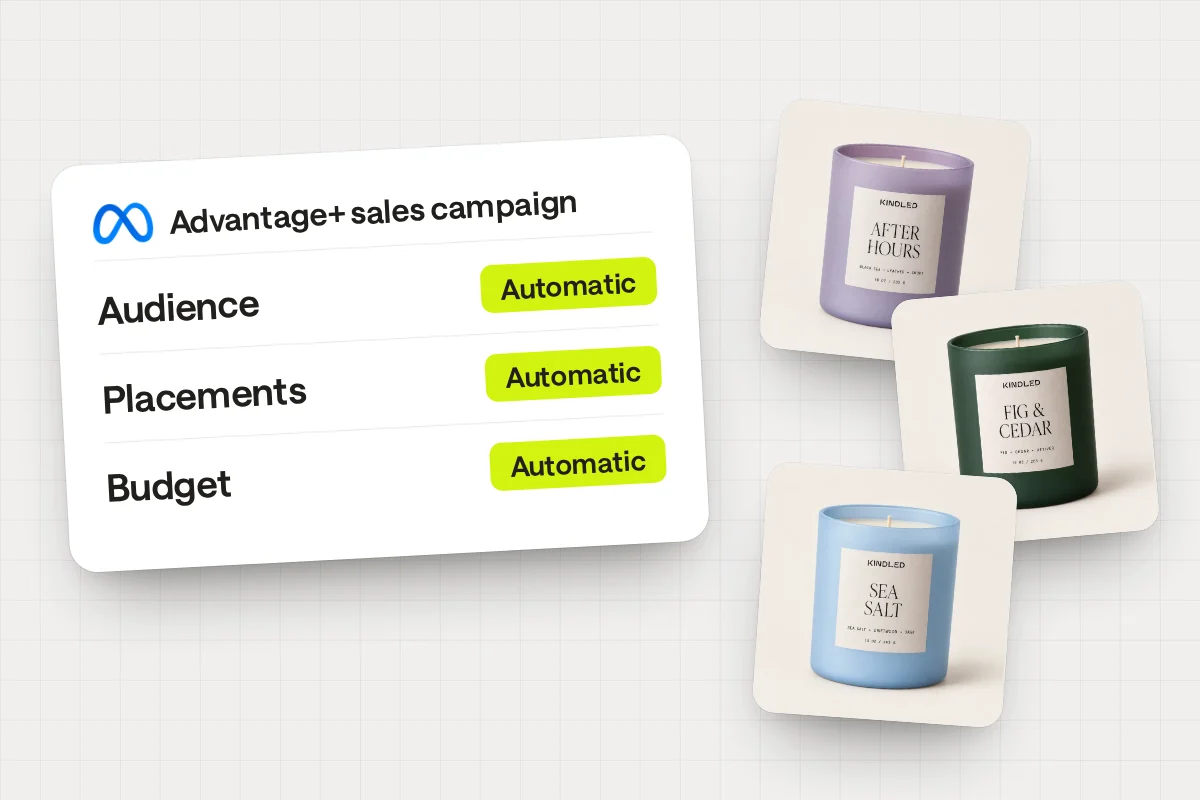
If you want Meta to handle more of the setup, read about Advantage+ sales campaigns. For the full walkthrough, start with how to run Facebook ads.
How ScaleShot handles the objective
ScaleShot keeps the choice to three goals when you build a campaign: Sales, Leads or Visitors. Sales and Leads need a pixel installed on your site, and it doesn't need any past sales because Meta learns from the first ones. Visitors runs without a pixel. You add the landing page and countries in the same screen, then pick a daily budget.
Questions about Facebook campaign objectives
What is the best Facebook campaign objective for small businesses?
For an online store, Sales. For a service business that wants calls or form fills, Leads. Both let you optimize for the action that pays.
Is the Conversions objective gone?
Yes, as a separate choice. Meta's mapping page moves it under Engagement, Leads or Sales depending on the conversion.
I ran Traffic and got clicks but no sales. What now?
Build a new campaign with the Sales objective and a purchase goal. The objective shapes which goals are offered further down, so picking Sales first gives you the purchase option.
Do I need a pixel for the Sales objective?
To optimize for website purchases, yes. The Purchase event comes from the pixel on your site. Without one, a Traffic campaign is the fallback.
Should I use Engagement to get Page likes?
Only if likes are the goal. Likes don't pay the bills, so most shops are better served by Sales or Leads.
ScaleShot TeamWe build ScaleShot, an AI ad tool for small businesses on Facebook and Instagram. How we make our guides
Sources
- How to choose the right ad objective in Meta Ads Manager, Meta Business Help Center
- Map original ad objectives to current Ads Manager objectives, Meta Business Help Center
- 21 Performance Goals: The Focus of Meta Ads Optimization, Jon Loomer Digital
- Meta Campaign Objectives: Best Practices, Jon Loomer Digital
- Meta Pixel API reference (standard events), Meta for Developers