The Facebook ads learning phase and how to get through it
The learning phase is the period after you launch or significantly edit an ad set, while Meta works out how to deliver it. Meta says ad sets usually exit once they can deliver stably, which takes enough results in the week after the last significant edit. Until then costs run higher and results swing, so hold off on edits.

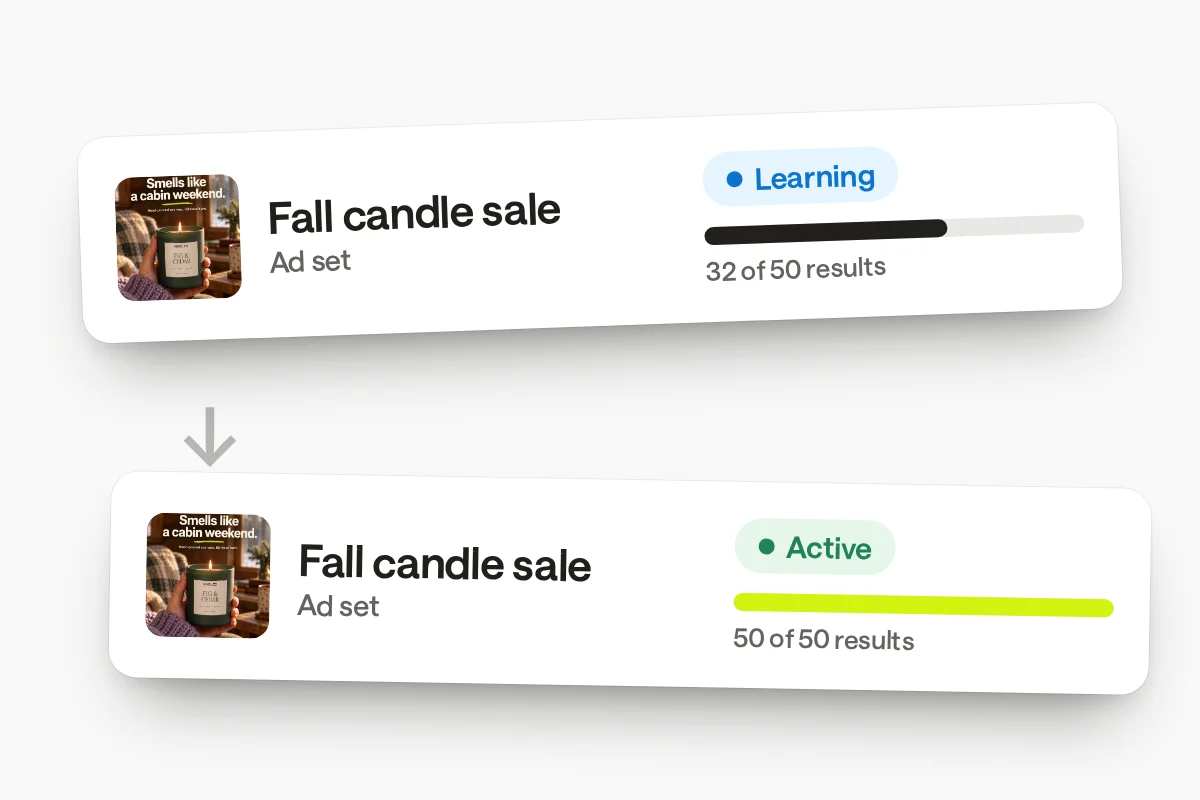
What the learning phase is
Meta's delivery system needs data before it can deliver an ad set well. Meta's About the Learning Phase page says ad sets are less stable during this time and usually have a higher CPA, the cost per action you pay for each result. The Delivery column in Ads Manager reads "Learning" while it lasts.
The ad set exits once it can deliver stably, which usually happens after about 50 results in the week after its last significant edit. A result is whatever you told Meta to optimize for, such as a purchase, a lead or a landing page view. Jon Loomer points out that the count applies to each ad set on its own, so two ad sets with 25 results each don't add up to an exit.
Shops ads follow a separate rule: at least 17 purchases through your website and 5 through Meta.
How to check where you stand
- Open Ads Manager and select the ad set.
- Find the Last significant edit column. If you don't see it, click Columns and add it.
- Read the Results column to see how many results you have had since that edit.
What resets the learning phase
Every edit affects delivery a little, but only a significant edit sends an ad set back into learning. Meta's Significant Edits page lists these as significant every time:
- Any change to targeting
- Any change to ad creative
- Any change to the optimization event
- Adding a new ad to the ad set
- Pausing the ad set for 7 days or longer (learning restarts when you unpause)
- Changing bid strategy
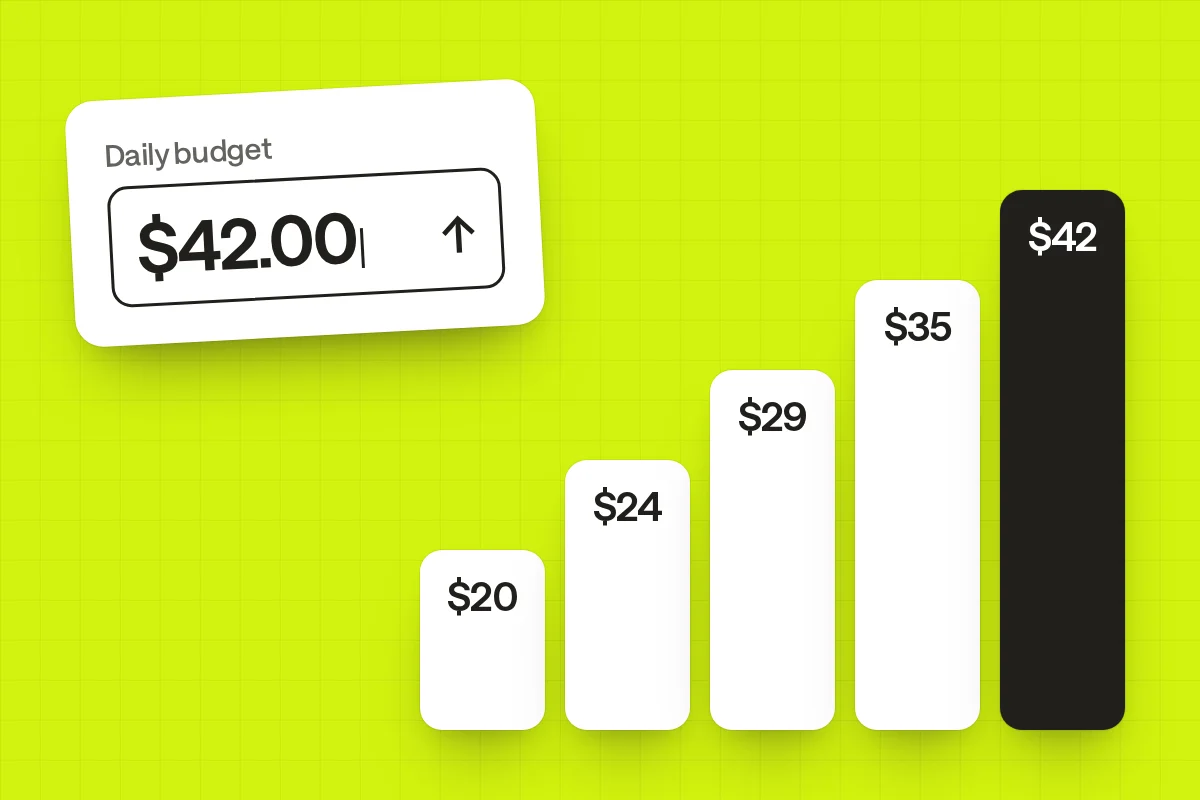
Changes to the budget amount, the ad set spending limit, or a bid control, cost per result goal or ROAS goal may or may not count, depending on how big the change is. Meta's example: moving a budget from $100 to $101 is unlikely to restart learning, while $100 to $1,000 may.
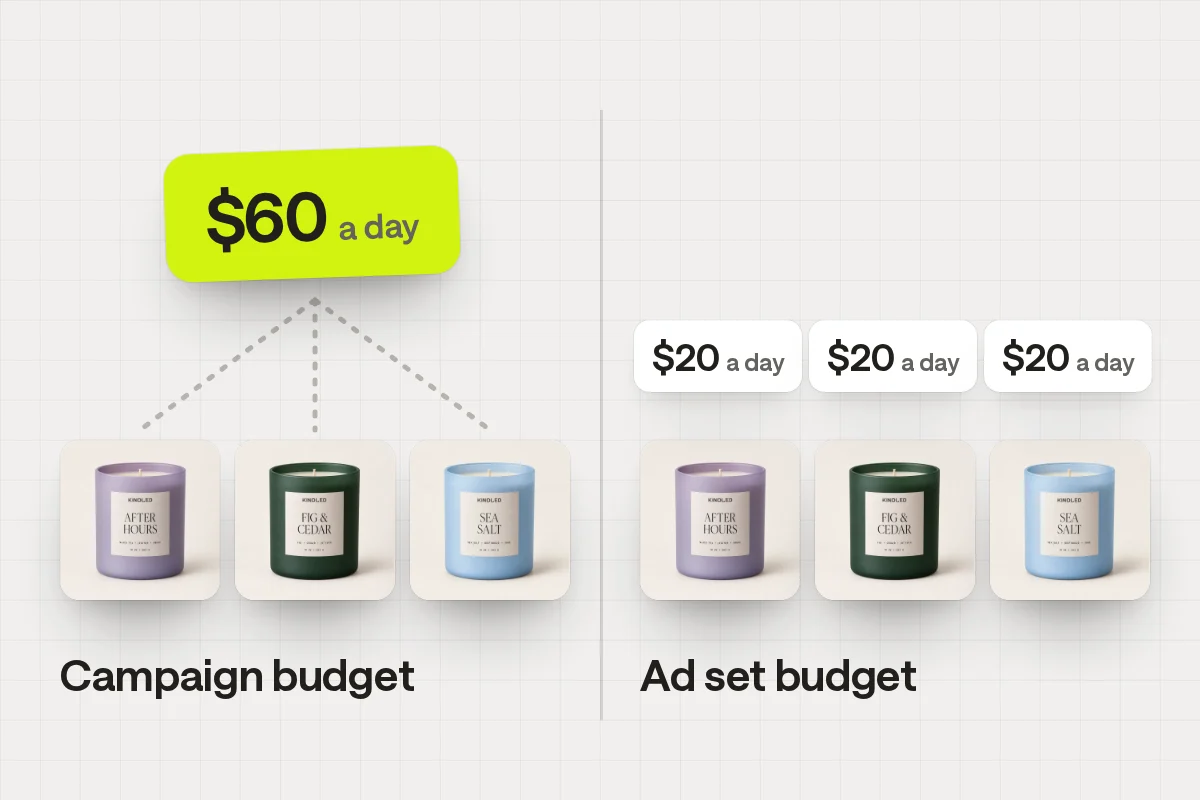
If you use Advantage+ campaign budget (one budget set on the campaign, which Ads Manager also labels Campaign budget, or Budget with Advantage+ on), changing that budget can send several ad sets back into learning at once. An edit made on a single ad set leaves the other ad sets in the campaign alone. Our guide to CBO vs ABO covers when each setup fits.
What Learning limited means
An ad set shows Learning limited when it is unlikely to get about 50 optimization events in the week after its last significant edit. Meta's About Learning Limited page says it isn't a penalty. It means your budget isn't being spent effectively because delivery can't optimize with the current setup.
Meta lists the usual causes:
- A small audience
- A low budget
- A low bid or cost control
- High auction overlap, where your own ad sets compete for the same people
- An optimization event that happens rarely
- Too many ads running at the same time
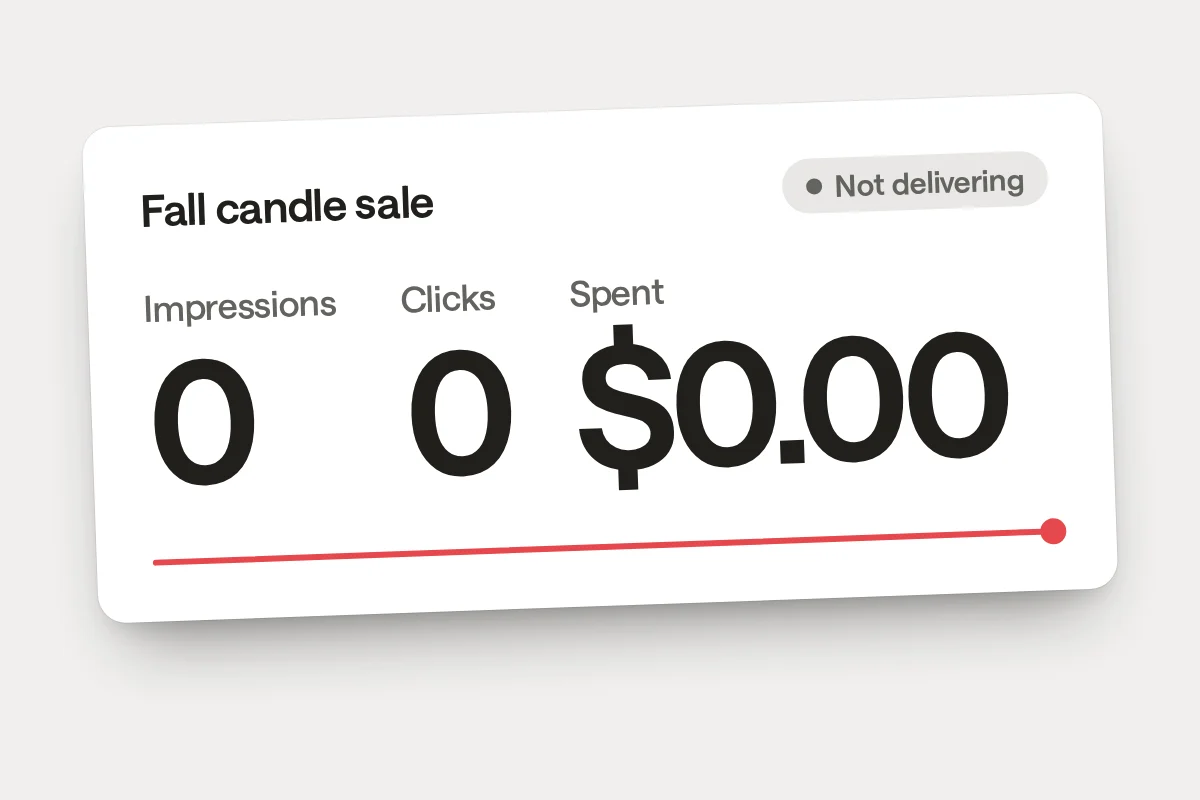
If the ad set later gets enough optimization events since its last significant edit, the status moves from Learning limited to Active. If your ads aren't spending at all, that is a different problem; see Facebook ads not delivering.
How to fix Learning limited
Here are Meta's fixes, in the order a small account should try them:
- Combine ad sets and campaigns. Meta says this gets you the results you need faster, and that combining similar ad sets also combines their learnings. Two ad sets at $10 a day become one at $20.
- Expand your audience. A larger audience gives more people the chance to complete your optimization event.
- Pick an optimization event that happens more often. Meta's example is moving from purchases to add to cart.
- Raise your budget, or your bid or cost control if you set one.
To see whether an ad set is getting enough events, open Columns, click Customize columns, check Optimization events and click Apply.
Each of these is itself an edit, so make the change in one go and then leave the ad set alone for a week.

What to do with a small budget
Meta's delivery troubleshooting page gives a rule of thumb: a daily budget of at least 10 times the average cost of your performance goal. Its example is a $5 link click, which calls for $50 a day or more. If you can't raise the budget, Meta suggests a goal higher up the funnel, such as landing page views instead of conversions.
Jon Loomer's advice for budgets of $50 a day or less is to run one campaign at a time with a single ad set, and to expect Meta to show only two or three of your ads.
Example: a candle shop on $20 a day
Say a made-up candle shop spends $20 a day and each sale costs about $25. That is fewer than six sales a week, far short of what Meta needs to exit learning. The owner has two sensible moves:
- Keep one ad set with two or three ads, and judge it on cost per sale over a few weeks, even if it stays Learning limited.
- Switch the optimization event to add to cart if carts cost a few dollars each, so Meta gets more signals from the same money.
To work out a budget from your profit per sale, see how to set a Facebook ads budget.
What to do while an ad set is learning
Meta's best practices during learning:
- Wait to edit until the ad set is out of the learning phase.
- Only edit when you have reason to believe the change will improve results.
- Keep the number of ads and ad sets low.
- Set a realistic budget and avoid frequent budget changes.
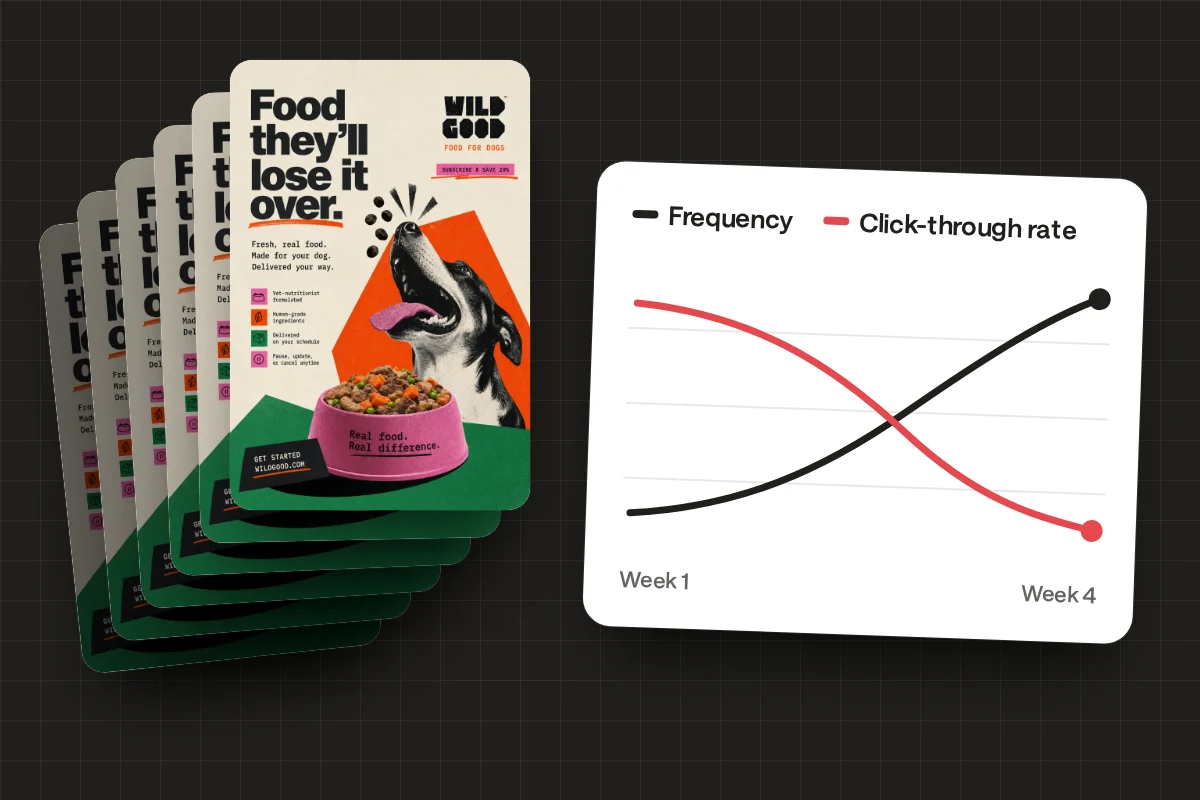
Meta also says not to try to avoid learning completely, since testing new creative is how performance improves over time. Adding a new ad is a significant edit, so add fresh ads in one batch instead of one a day. When your ads start to wear out, our guide to ad fatigue covers what to swap. When an ad set is out of learning at a cost you can afford, read how to scale Facebook ads.
Checking on learning from ScaleShot
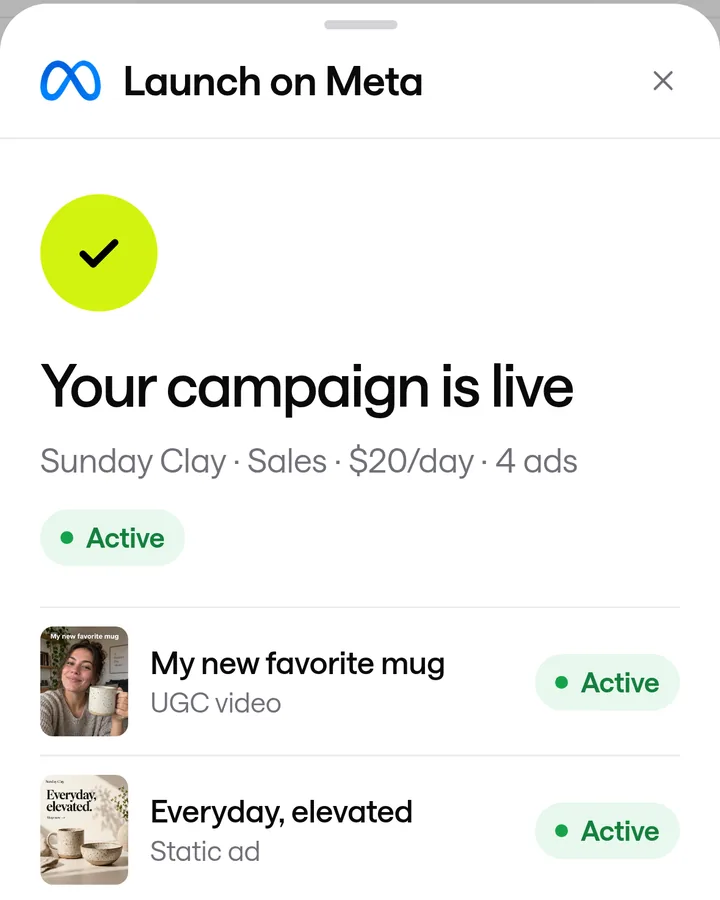
Once your Meta ad account is connected, our Ads Agent can check results for your campaigns, and pause ads or change budgets when you ask. It always asks before it changes anything, so an edit that would restart learning never happens by surprise. When you need a fresh batch of ads, it makes image ads and video ads of 4 to 10 seconds.
Common questions about the learning phase
How long does the Facebook learning phase last?
Meta sets no fixed number of days. An ad set exits once it has enough results in the week after its last significant edit to deliver stably, and a low budget can leave it Learning limited.
Does increasing my budget reset the learning phase?
It depends on the size of the change. Meta lists budget amount as a change that may or may not be significant, and a tenfold jump is far more likely to restart learning than a small nudge.
Should I turn off ads during the learning phase?
Meta recommends waiting to edit until the ad set is out of learning, because results during it aren't necessarily a sign of future performance. Pausing for 7 days or longer restarts learning when you turn the ad set back on.
Is Learning limited bad?
Meta says it isn't a penalty. It means delivery can't optimize well with your current setup, so your cost per result may stay higher than it could be.
Does adding a new ad reset the learning phase?
Yes. Adding a new ad to an ad set is on Meta's list of significant edits, as is any change to an existing ad's creative.
ScaleShot TeamWe build ScaleShot, an AI ad tool for small businesses on Facebook and Instagram. How we make our guides
Sources
- About the Learning Phase, Meta Business Help Center
- Significant Edits and Learning Phase, Meta Business Help Center
- About Learning Limited, Meta Business Help Center
- Troubleshoot ad delivery: your campaign hasn't delivered enough since it started, Meta Business Help Center
- Small Budget Advertisers Should Keep it Simple, Jon Loomer Digital
- Facebook Ads and the Learning Phase, Jon Loomer Digital