What are good UGC ad examples to copy?
The best UGC ad examples open with one specific hook, show a real-looking person using the product, and end on a single offer or button. All ten Meta ads we checked in the Ad Library for this guide are videos with a Shop now button, and each had been running for 64 days or more.

What do creator-partnership UGC ads look like?
These ads are filmed by a parent, customer or creator and tagged to the brand. Meta calls the format partnership ads: the ad shows both the brand and the partner account in its header. The three below all name the brand in the caption or a hashtag.
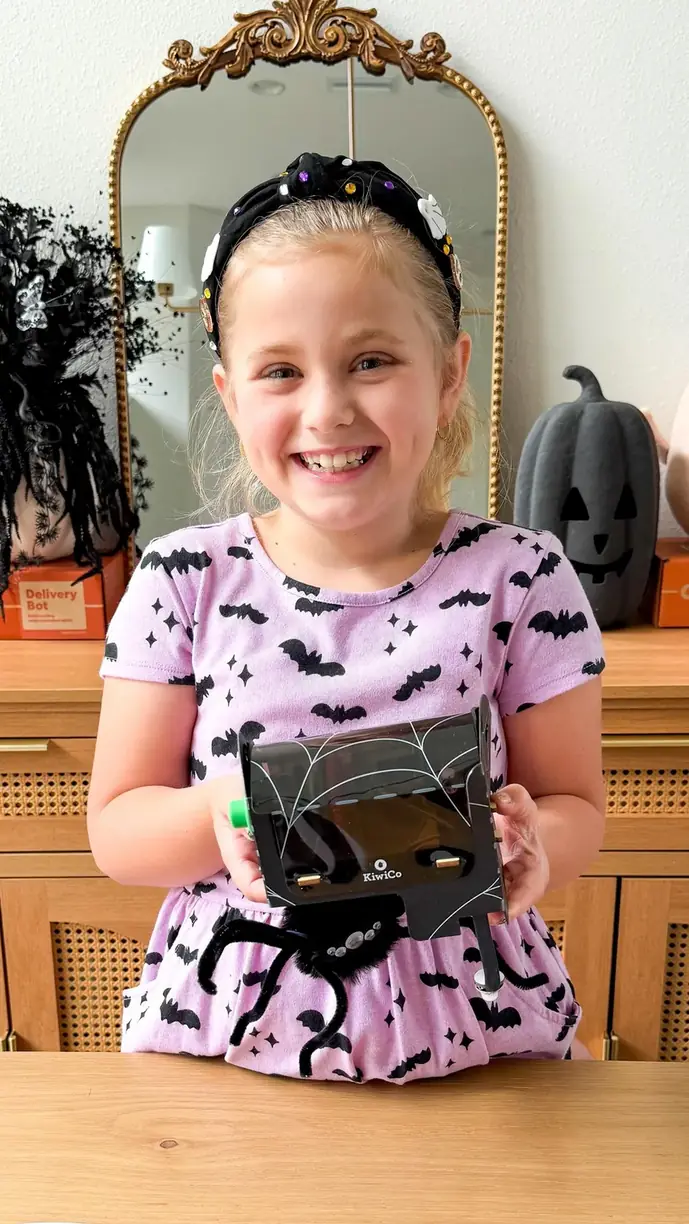
KiwiCo: parent films a prank with a robot kit
The hook is a family prank, not a spec list, and the #kiwicopartner tag marks it as a creator partnership. A parent filming their own child feels like a home video.
Let’s Create and Celebrate, via Meta Ad Library · See the ad
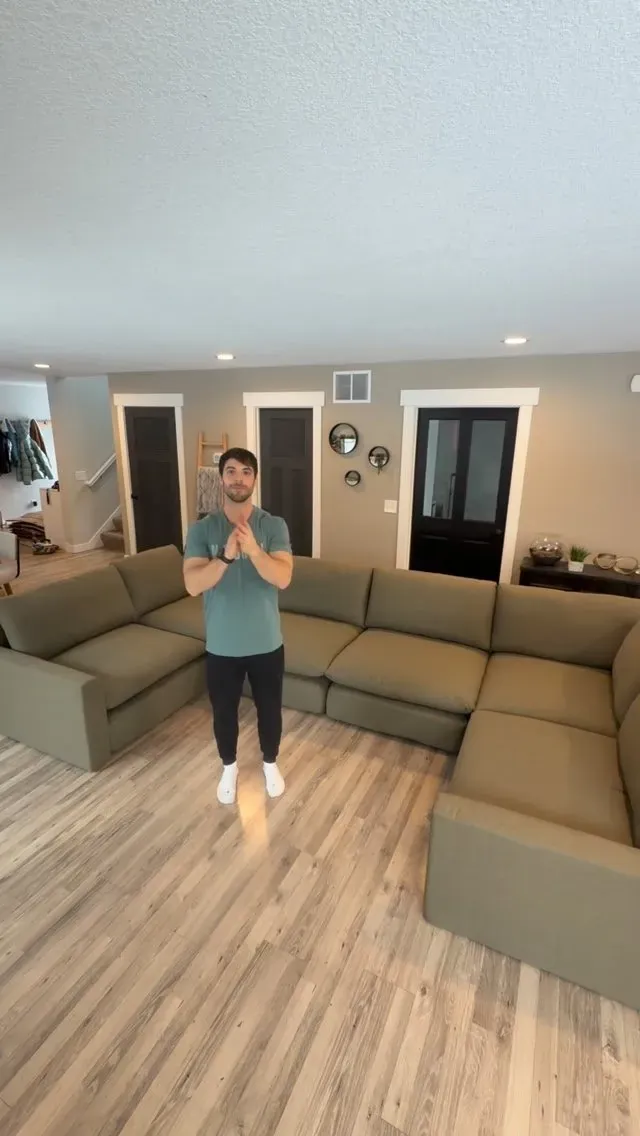
Burrow: before-and-after of a new sofa
The before-and-after setup in an empty room shows the product's size better than any claim. The caption opens with a verdict, "never going back", and tags the brand with #burrowpartner.
Alec Smith, via Meta Ad Library · See the ad
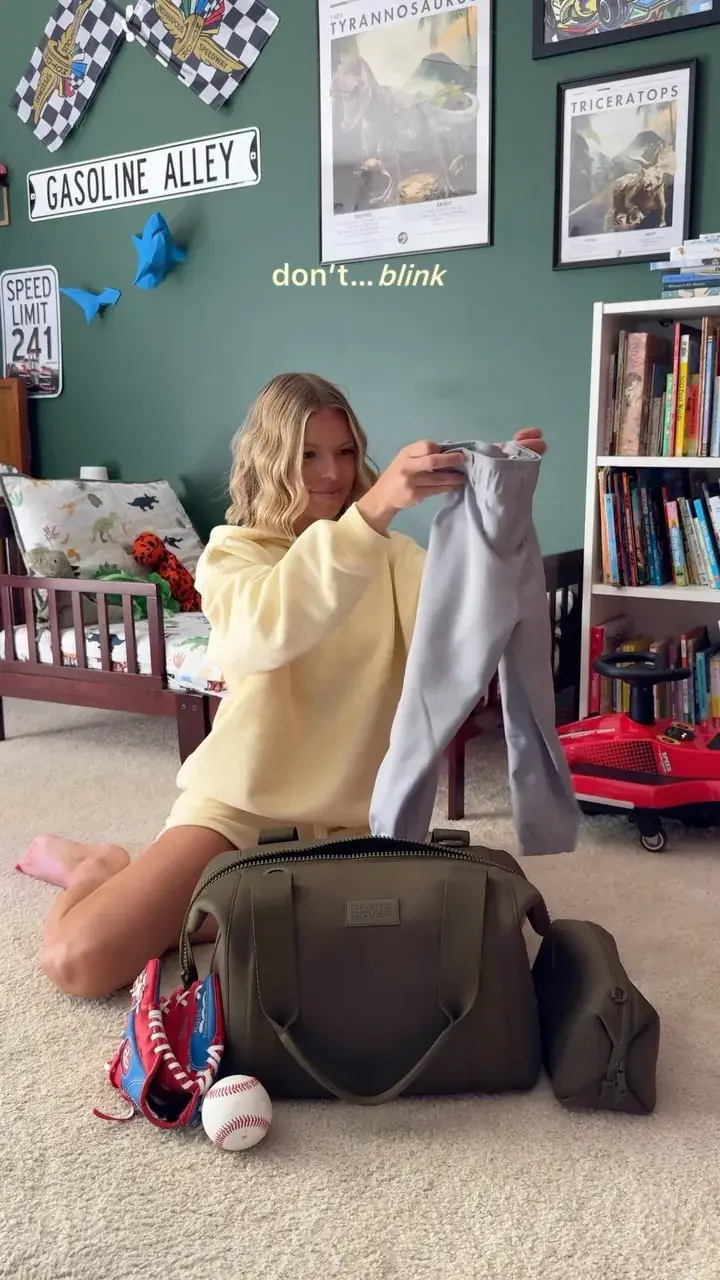
Dagne Dover: a parent packs a bag for a growing family
It sells through a relatable moment, a parent packing a duffel bag in a kid's room, and the caption "don't...blink" carries the feeling. The product is tagged but never pitched.
Candidly Chan, via Meta Ad Library · See the ad
What do day-in-the-life UGC ads look like?
No pitch, just a person using the product in a normal setting, with the caption doing the selling. These suit stores whose product is easy to show in a few seconds. Two of the three below run 32 seconds or less.
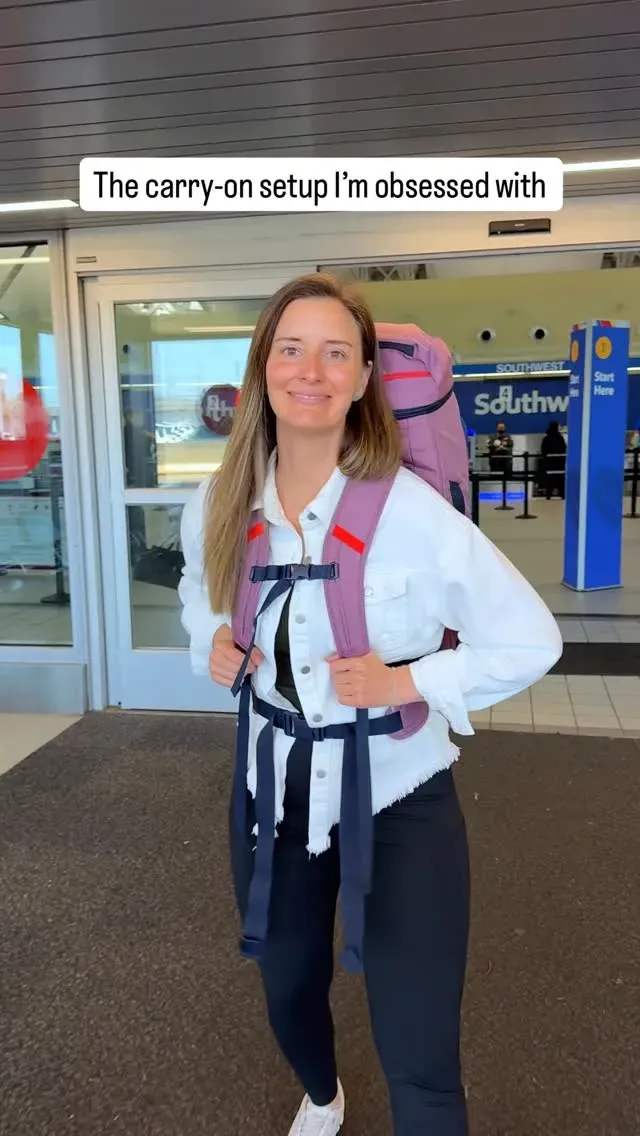
Cotopaxi: a traveller shows her carry-on setup
A real setting, an airport, and a first-person line ("the carry-on setup I'm obsessed with") make the ad read as a recommendation. There is no offer, so the product has to carry it.
Travel Light Adventures, via Meta Ad Library · See the ad
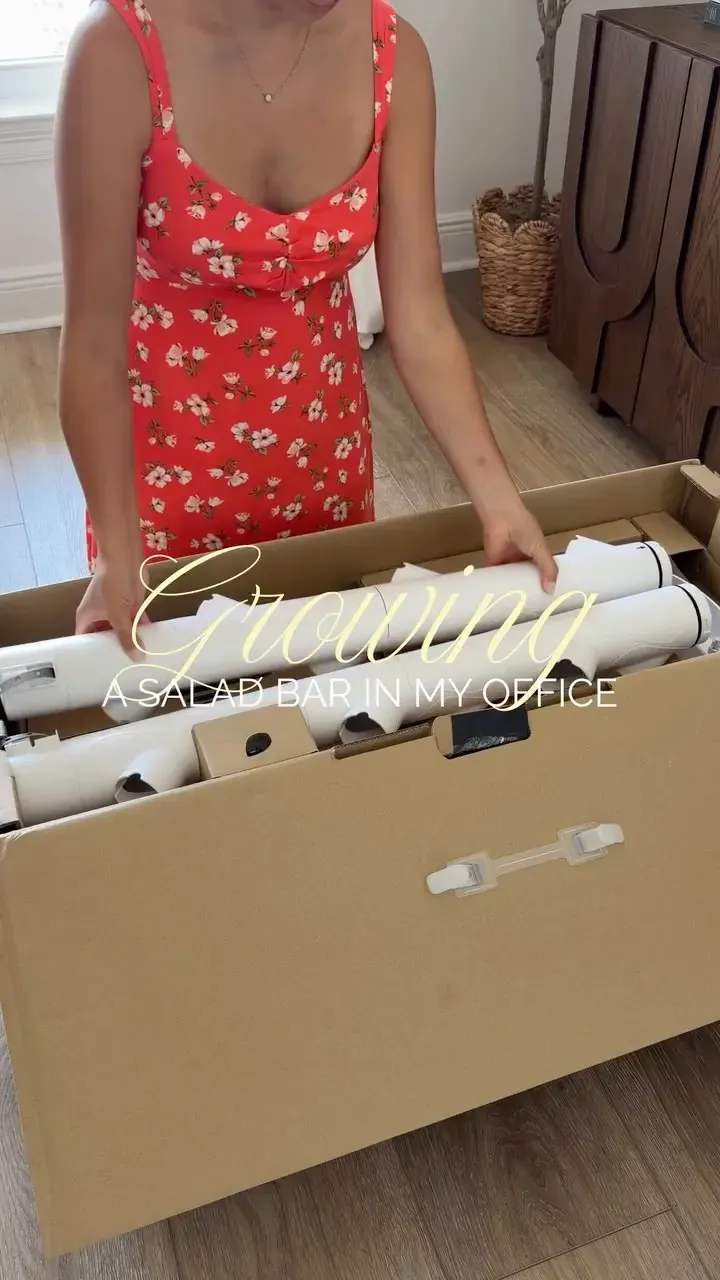
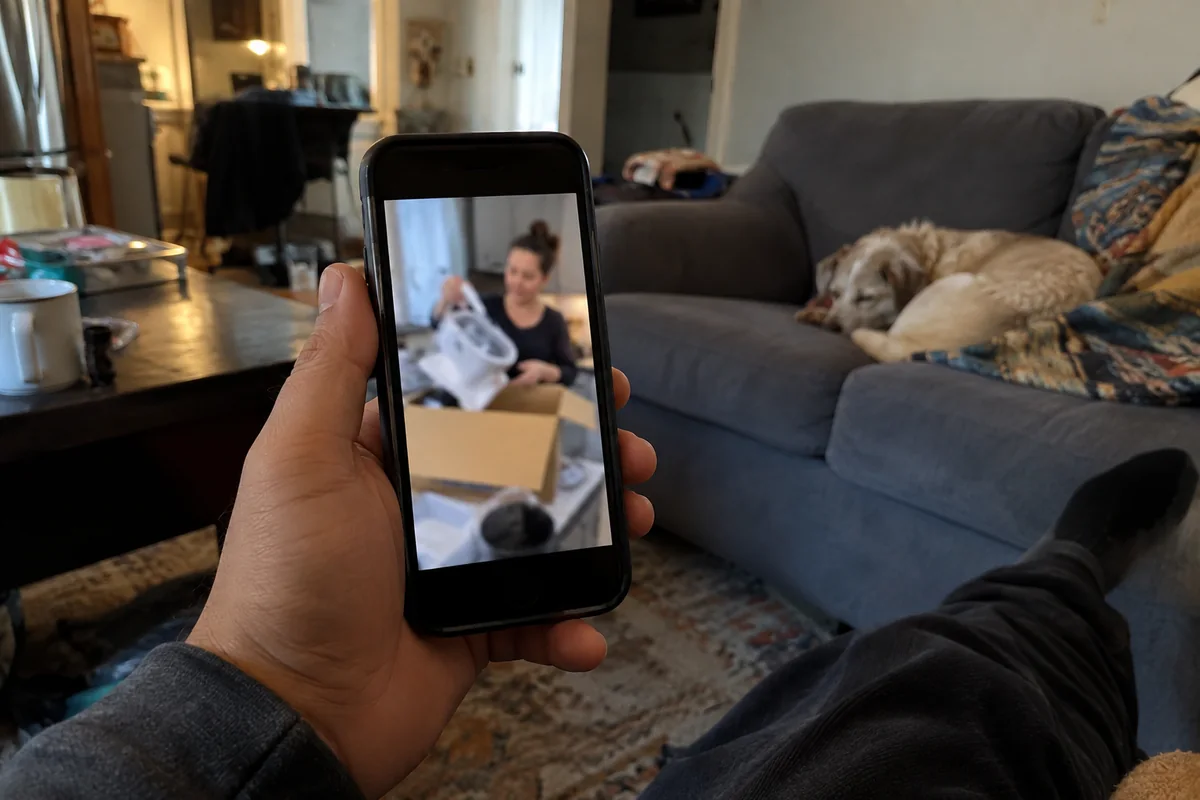
Gardyn: unboxing a hydroponic garden at the office
Unboxing is easy to film, and the on-screen text "Growing a salad bar in my office" gives a specific, curious picture. The caption adds a reason to buy now, a sale cashback bonus.
HelloVestavia, via Meta Ad Library · See the ad
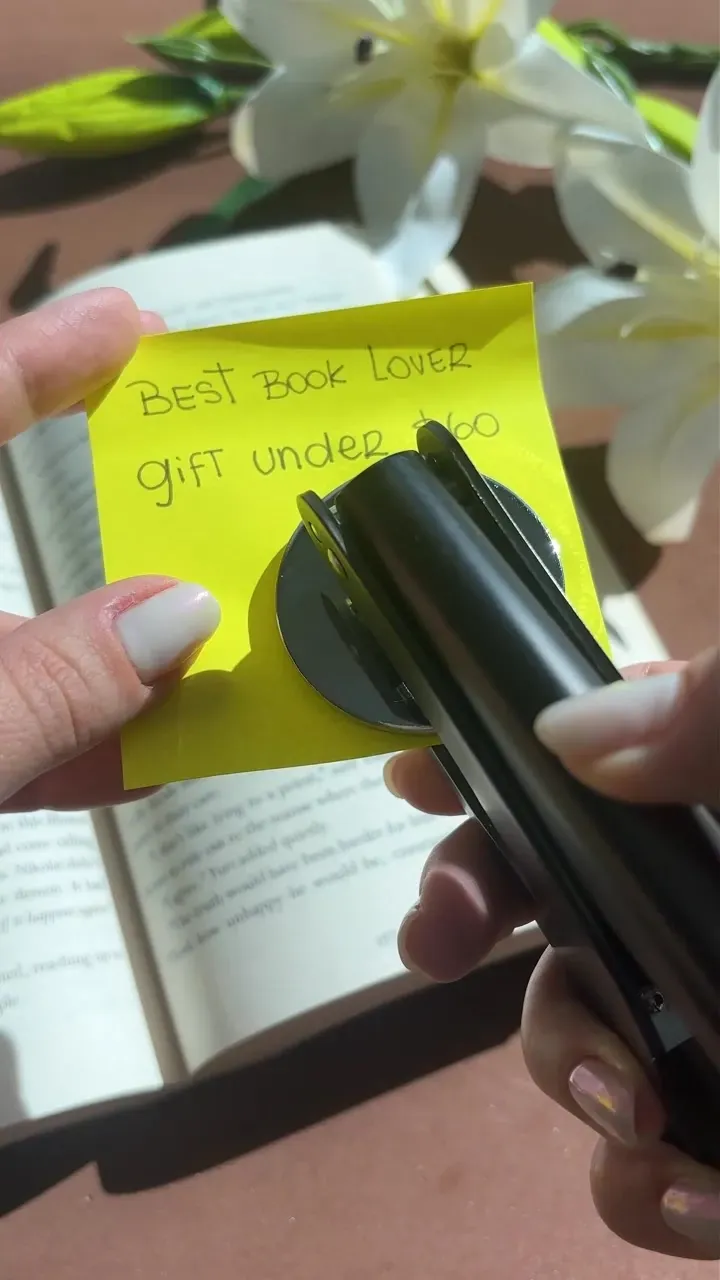
Whispering Pages: embossing a book by hand
The process is the hook: a hand embossing a page is satisfying to watch, and the caption "156 books in the last 8 days" signals demand. A sticky note states the gift angle and price ceiling.
Whispering Pages, via Meta Ad Library · See the ad
What do problem-and-offer UGC ads look like?
These lead with a complaint, a doubt or a deal, then give one reason to click. They give a cold viewer a reason to stop scrolling that does not depend on knowing the brand. Reading across all ten, Influencer Marketing Hub names the same habits in its own case studies: creator credibility, emotional storytelling and testing before scaling.
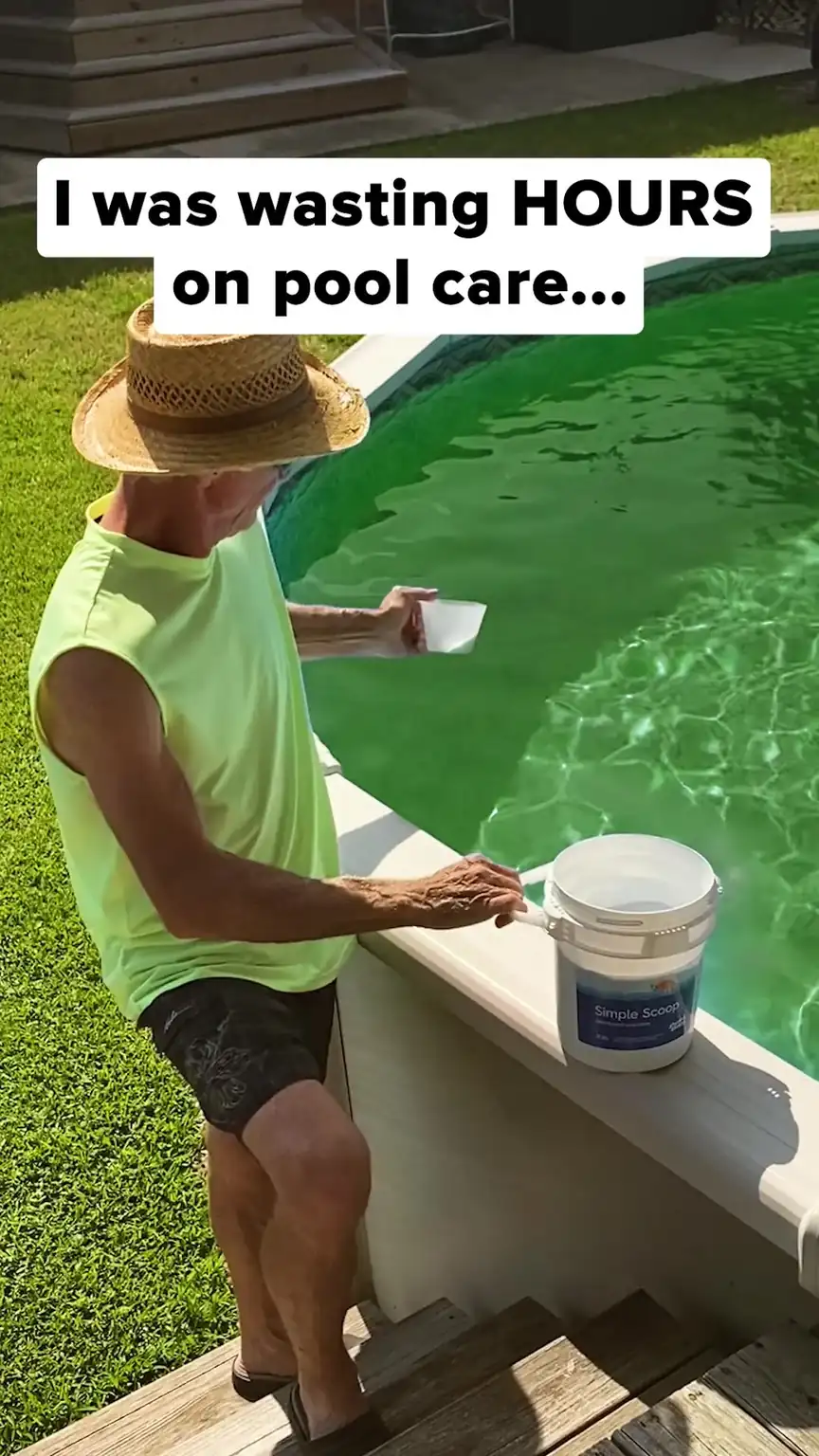
Pool Day: a reviewer ends a pool chore
It opens on a pain, "I was wasting HOURS on pool care", then shows the fix being poured into a green pool. The ad promises a 2-minute weekly routine, which is easy to repeat back.
Bubba Reviews Stuff, via Meta Ad Library · See the ad
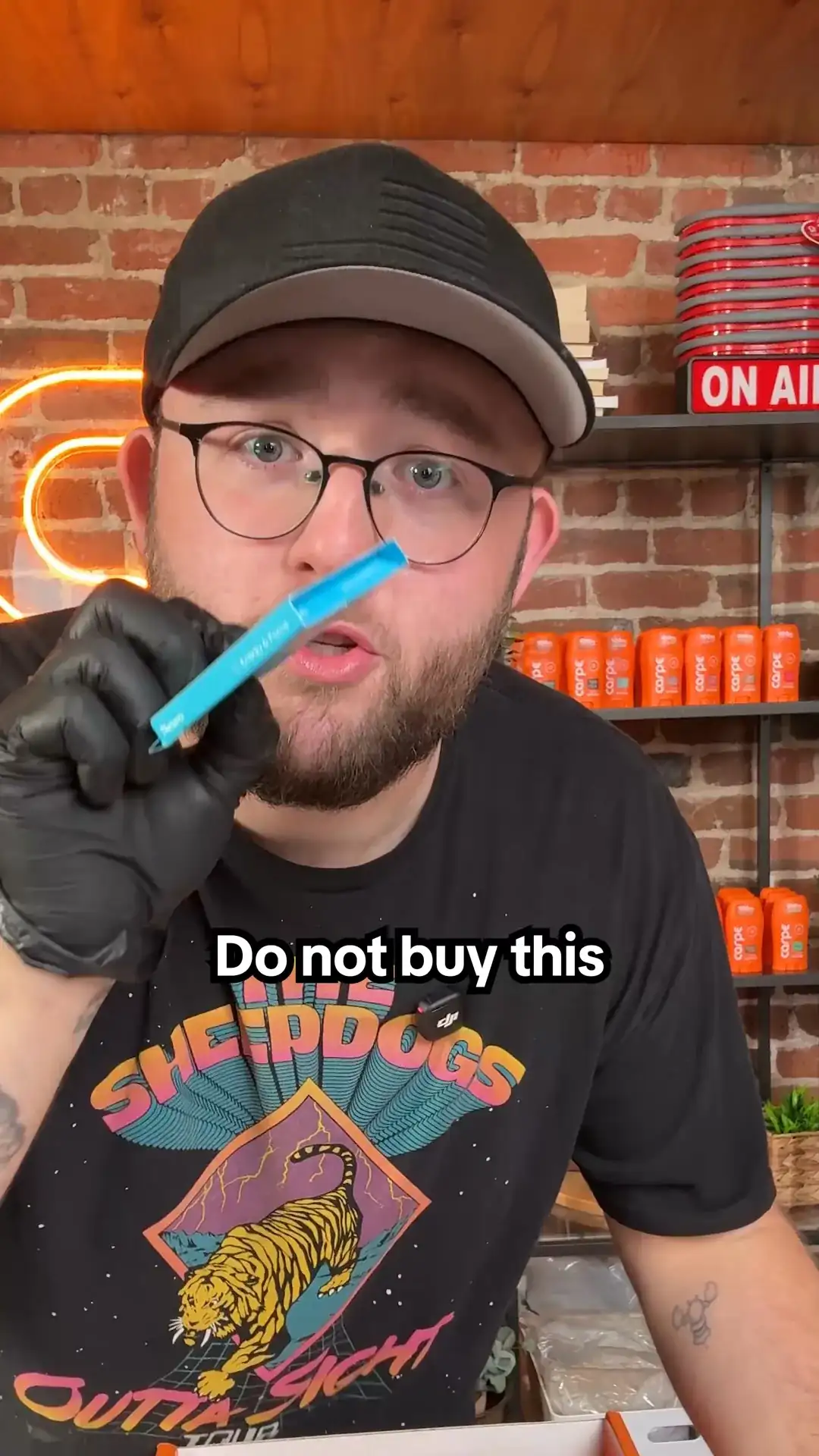
Carpe: a blunt "Do not buy this" opener
The contrarian caption interrupts the scroll, and the headline pairs a product claim with a free extra pack, a concrete offer. The man holding the tube makes it clear what is being sold.
Carpe, via Meta Ad Library · See the ad

Packuumbags: gift ad with a holiday discount
The caption speaks to a shopper with a question, "Still searching for something she'll truly love?", and the headline gives the deal, 40% off, as a Black Friday sale. It shows one bag in use rather than a catalogue.
Packuumbags, via Meta Ad Library · See the ad
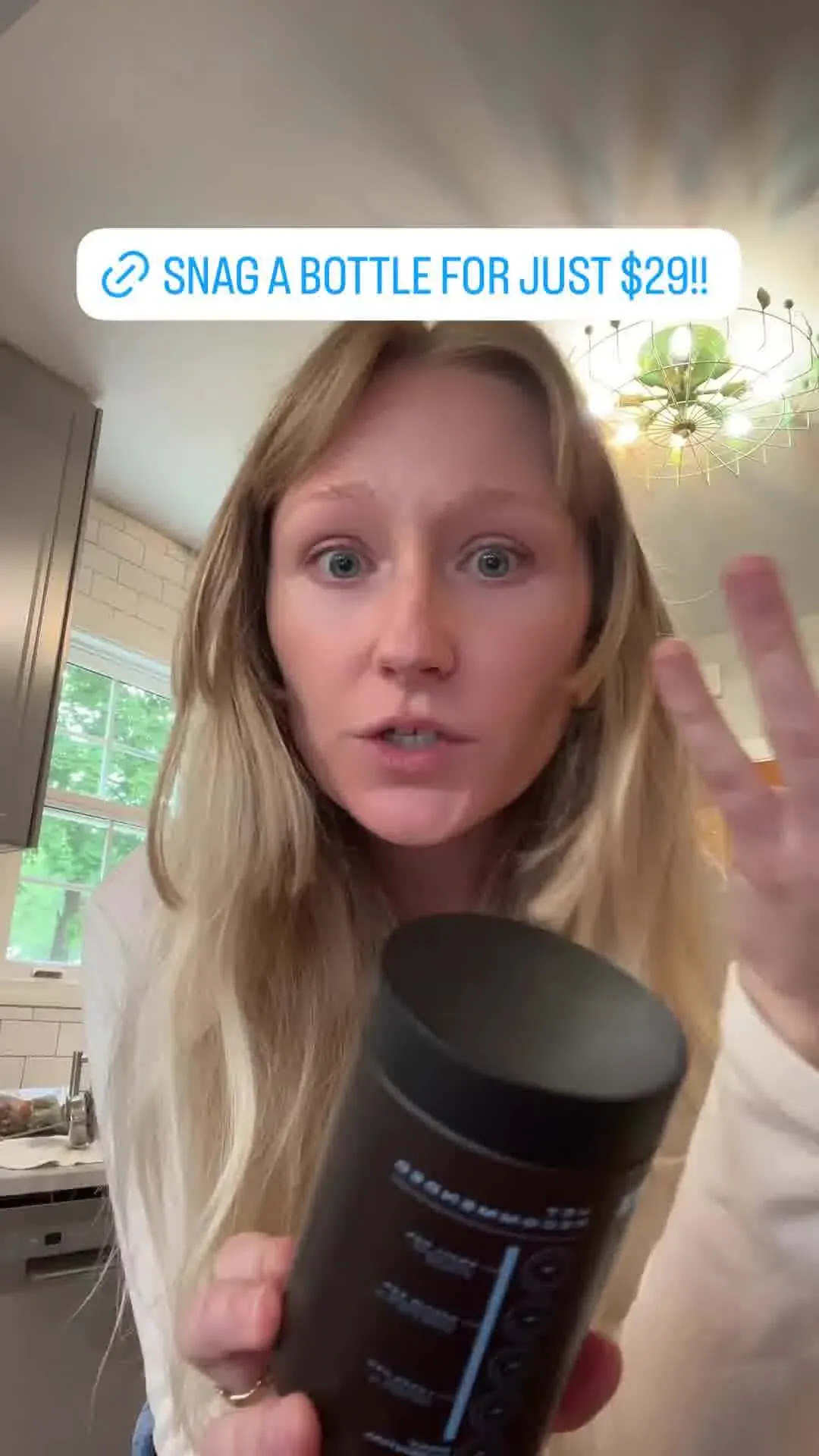
A Dog Called Ducky: owner reviews a dog multivitamin
A named dog and a person talking to the camera build trust, and a sticker gives the price, $29, on screen. It is much longer than the rest, which suggests that detail can pay off when the product needs explaining.
A Dog Called Ducky, via Meta Ad Library · See the ad
How do I make my own UGC ad?
- Pick one hook. Borrow a structure from above (a prank, a before-and-after, a blunt warning) and put it in the first line. Our guide to writing UGC ad scripts has fill-in lines.
- Keep it short. Eight of the ten ads here run 36 seconds or less.
- Film or generate it vertical-friendly, with captions. Meta's ad guide lists 4:5 as the Facebook feed aspect ratio and calls sound and captions optional but recommended.
- Choose how to get the footage. Real customers or creators work best for the tagged style; if you use a creator's post, Meta requires permission through account-level access, a partnership ad code or an approval request. Our step-by-step on how to make UGC ads covers sourcing, and best UGC platforms compares marketplaces.
- Launch one change at a time. Run two or three versions and keep what works, the test-then-scale habit Influencer Marketing Hub saw across its examples. Before copying anything, remember that the Ad Library shows when an ad started and where it runs, but not its results for ordinary commercial ads.
Where ScaleShot fits
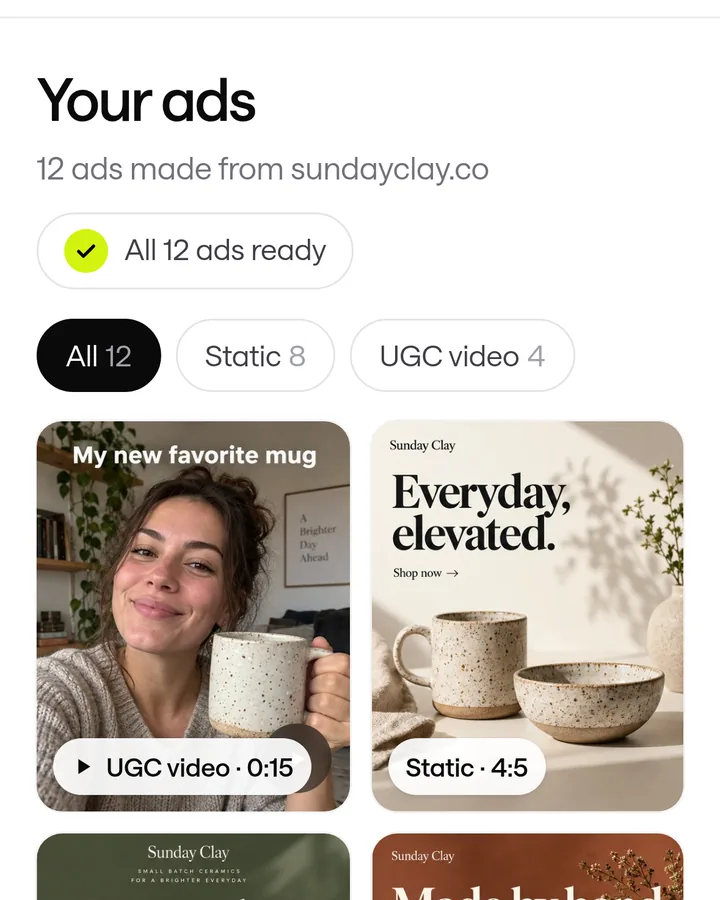
If you have no creator, we built ScaleShot to do the drafting: paste your store link and the Ads Agent learns your brand, writes a 30-day plan and makes AI UGC creator videos of 4 to 10 seconds, plus animated styles, and image ads. Video costs 10 credits per second, so a 10-second clip is 100 credits. These are AI-generated creators, not real customers, so do not present them as testimonials. Once your Meta ad account is connected, it can launch the campaign and asks before it changes anything. For more video formats, see our Facebook video ad examples.
Common UGC ad questions
What are UGC ads?
Ads built from creator- or customer-made content that feels organic and native to the platform, even when the brand commissions or boosts it. Our overview of UGC ads goes further.
Does a long-running ad mean the ad works?
Not on its own. Long run time suggests the advertiser kept the ad, but the Ad Library does not show results for ordinary commercial ads, so treat these as ideas to test.
Can I run a creator's post as my ad?
Yes, with their permission: Meta uses account-level permission or post-level partnership ad codes and approval requests. Social Media Today reports Meta figures of 19% lower CPAs and 13% higher click-through rates for partnership ads on average, without naming where the figures come from.
Can ScaleShot make UGC ads like these?
It makes AI UGC creator videos and animated video ads, not human-made content, and we have no human creators or agency service. It runs Facebook and Instagram only, does not guarantee sales, and Meta bills ad spend separately.
ScaleShot TeamWe build ScaleShot, an AI ad tool for small businesses on Facebook and Instagram. How we make our guides
Sources
- 6 UGC Examples Brands Can Learn From, Influencer Marketing Hub
- Meta Expands Creator Partnership Opportunities for Brands, Social Media Today
- Partnership Ads Creation, Meta for Developers
- Meta Ads Library: what it is and how to use it, Reportei
- Video specs: Facebook Feed, Meta