How to create a lookalike audience on Facebook
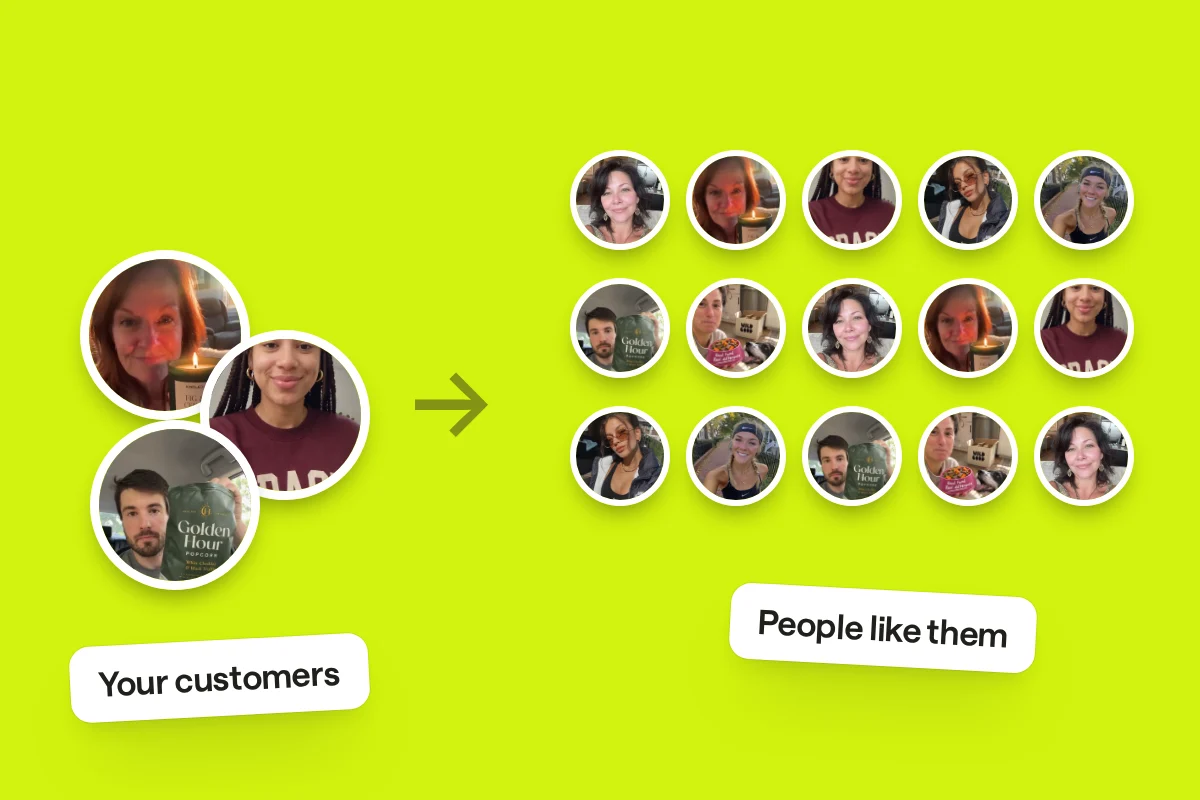
A lookalike audience is a group of new people Meta picks because they resemble a source list you give it, such as past customers. You build it in Ads Manager from a pixel event or a custom audience. In most Sales and Leads campaigns today, Meta treats it as a suggestion it can go beyond.

What a lookalike audience is
Shopify describes lookalikes as groups of people who share significant traits with your current customers. You hand Meta a source, such as your buyer list, and Meta finds people in a chosen country who resemble it.
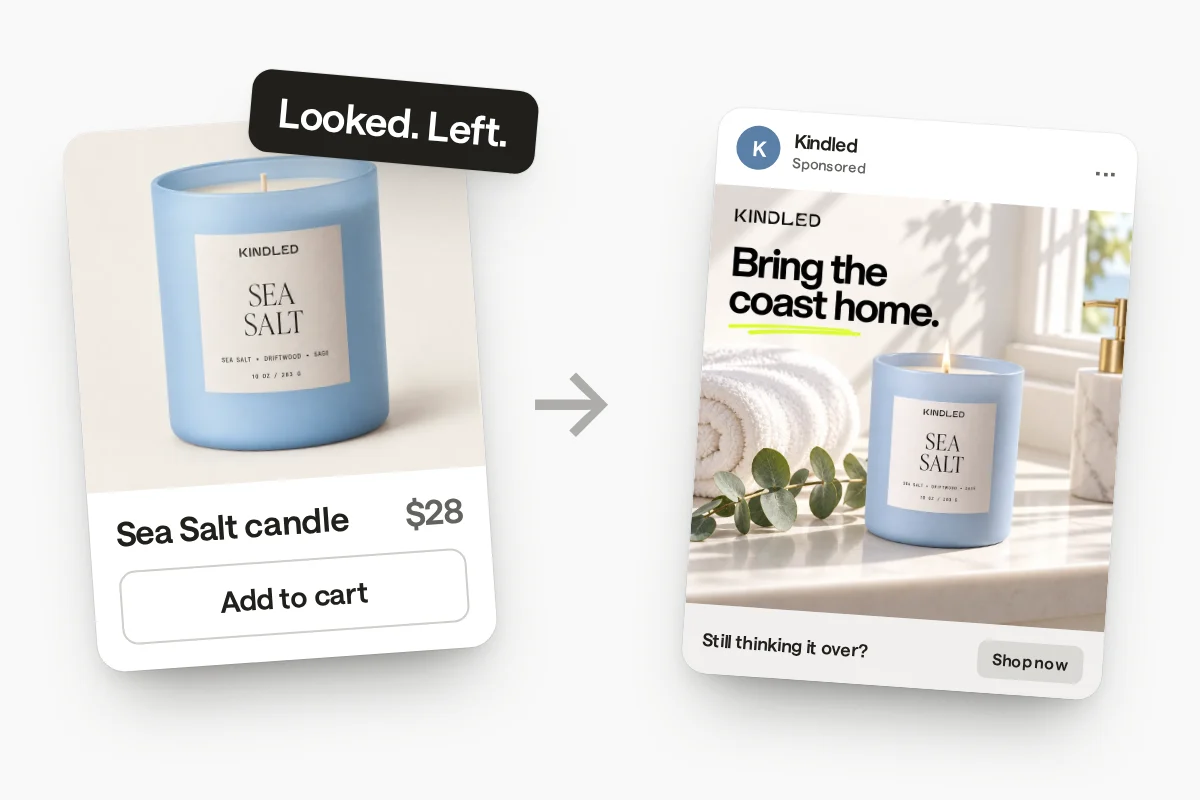
This is different from retargeting. Retargeting shows ads to people who already know you, while a lookalike reaches strangers. If you want the warm side, see how to set up Facebook retargeting ads.
What you need before you start
The source audience
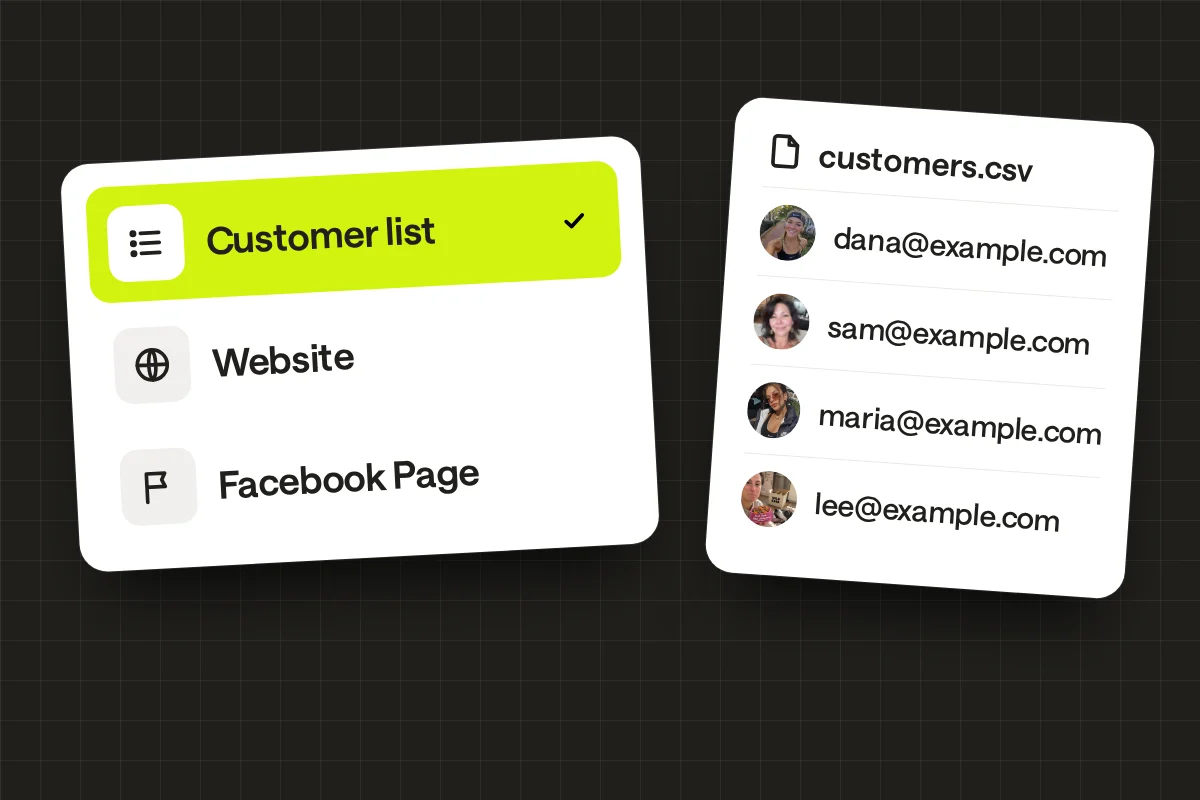
Your source needs at least 100 people, and Meta generally recommends 1,000 to 5,000, according to Meta's guide to creating a lookalike audience. People in the source are left out of the lookalike itself. Quality counts too: Meta says a source of your best customers may get better results than one of all your customers.
Good sources, best first:
- Purchasers from your pixel or dataset. Loomer says value-based sources such as the pixel's Purchase event are preferred.
- A customer list, trimmed to your best buyers.
- Engagement audiences, such as video viewers or Instagram engagers, when you have few buyers.
Match the source to what you are promoting. A lookalike of newsletter signups finds signup types, which may not be buyers.
How to choose a lookalike percentage
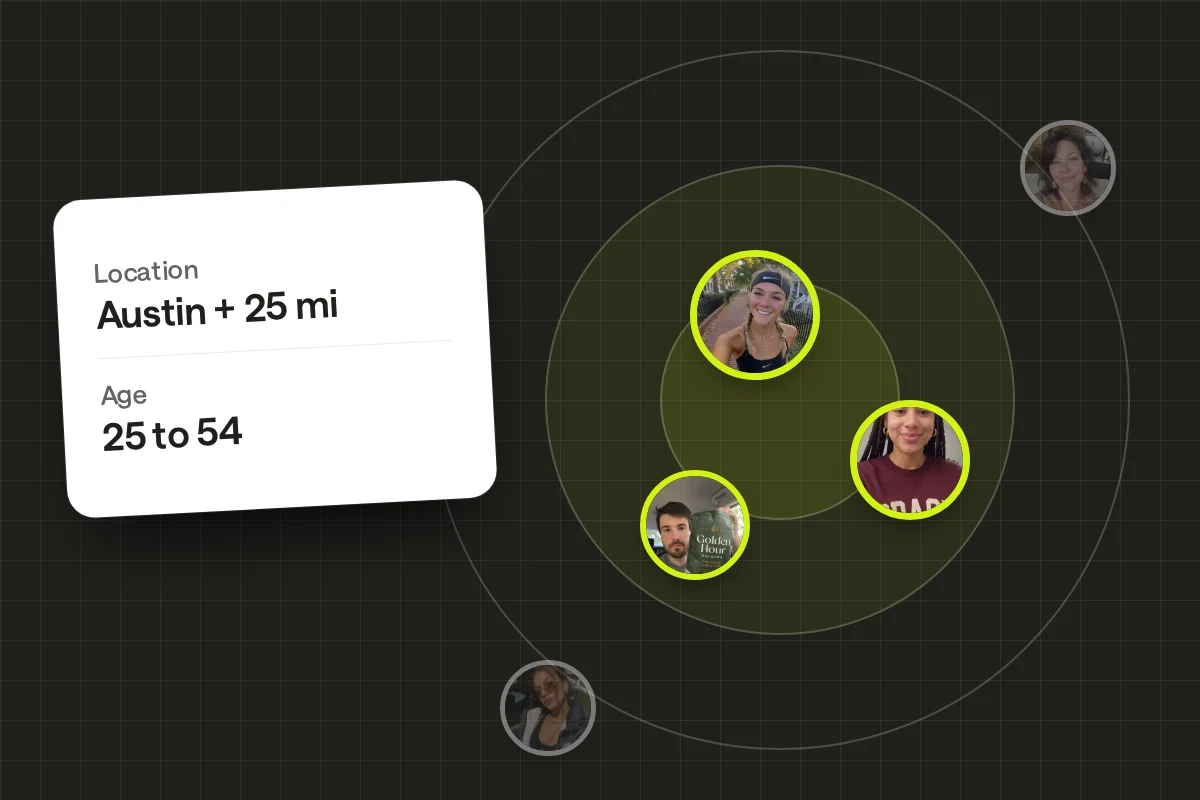
In Ads Manager you set a percentage with a slider. Smaller percentages match your source more closely, and larger ones make a bigger, broader audience. In the US, a 1% lookalike is the 1% of people most similar to your source. Your source size does not change the lookalike size.
For a small budget, start at 1%. Loomer also recommends 1% if you plan to let Meta expand the audience.
How to create a lookalike audience, step by step
- Open Audiences and click Create audience, then Lookalike audience. You can also do this from the Audience section while you build an ad set.
- Pick a source, or click Create new source: your pixel, a catalog or an existing custom audience. Saved audiences can't be a source.
- If you picked the pixel, choose the event. Purchase is the default and the recommended choice.
- Under Select audience size, choose how many lookalikes to make and set the percentage.
- Click Create audience.
You no longer pick a location for the lookalike. Meta uses the location settings of the ad set you put it in, so set the country there. The developer documentation on lookalikes made the same change for the API.
While the status says Populating, Meta is still matching people, which can take up to 3 days. You can run ads with it right away.
How lookalikes behave under Advantage+ audience today
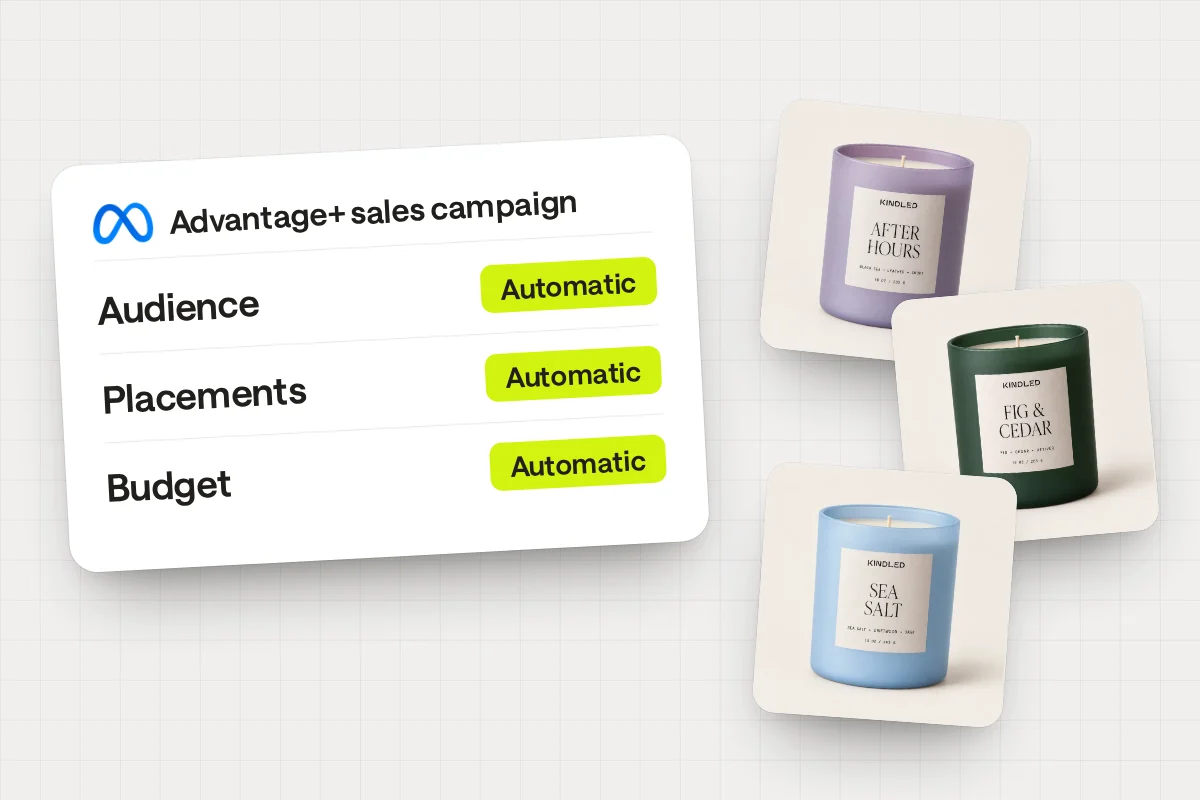
A lookalike no longer fences your ads in for most goals. In Advantage+ campaigns (the Sales, Leads and App Promotion objectives), lookalikes go in as suggestions by default. For nine performance goals, including conversions, link clicks and leads, you cannot remove suggestions.
In practice Meta can go beyond your lookalike when it expects better results. Loomer says giving a lookalike as a suggestion works the same way as Advantage+ Lookalike, Meta's expansion setting.
You can still keep delivery inside a lookalike for goals such as reach and impressions. The path is the Further limit the reach of your ads button, if your objective allows it.
Common lookalike mistakes
- Using every site visitor as the source. Most visitors never buy. Purchasers are the stronger source when you have enough of them.
- Building six percentages and splitting the budget. A small budget can test one 1% lookalike in one ad set.
- Forgetting the ad set's location. New lookalikes have no location of their own and use the ad set's.
- Expecting the lookalike to rescue a weak ad. Meta can reach past it anyway, so the ad and offer still decide who buys. Our guide on how to make an ad helps there.
When a small shop has enough data to bother
Ask two questions.
- Do you have enough good source people? Below Meta's minimum you can't build one, and below its recommended range Meta has less to learn from.
- Is your campaign optimizing for sales or leads? Then the lookalike is a hint Meta may outgrow, and plain broad targeting with a strong ad may do as well.
Example (made up): a dog treat brand with 340 past buyers can build a 1% lookalike and add it as a suggestion. It should not expect the lookalike to control who sees the ads. Testing it against a broad ad set is the honest way to know.
ScaleShot campaigns skip this decision. You pick countries, a goal and a daily budget, and Meta finds the people. Before that, ScaleShot learns your business from your website or store link and turns it into on-brand image and video ads. For the broad setup, read our Facebook ad targeting guide.
Common lookalike audience questions
What is the minimum size for a Facebook lookalike source?
At least 100 people. Meta's developer documentation gives the same floor.
Is a 1% or 10% lookalike better?
1% is the closest match to your source. Higher percentages reach more people who resemble it less. Start at 1% unless the country is small.
Do lookalike audiences still work in 2026?
Yes, but for most conversion and lead goals Meta uses them as suggestions and can reach beyond them.
How often does a lookalike audience update?
Meta refreshes members every 3 days while the lookalike belongs to an ad set. One not used in active ads for 90 days is treated as inactive.
Can I make a lookalike from an Instagram audience?
Yes. Any custom audience can be a source, including engagement audiences, as long as it meets the size minimum.
ScaleShot TeamWe build ScaleShot, an AI ad tool for small businesses on Facebook and Instagram. How we make our guides
Sources
- Meta Ads Lookalike Audiences: A Complete Guide, Jon Loomer Digital
- Lookalike Audiences, Meta for Developers
- Lookalike Audiences Automatically Expand for More Performance Goals, Jon Loomer Digital
- When Your Targeting Inputs Are Only Suggestions, Jon Loomer Digital
- Lookalike Audiences: How To Find Your Perfect Customers, Shopify
- Create a Lookalike Audience, Meta Business Help Center
- About lookalike audiences, Meta Business Help Center