How do you run Facebook ads for dropshipping?
For a dropshipping store, run a Sales campaign on Facebook and Instagram with short video and image ads, and work out your ad budget before anything else. The average ecommerce cost per purchase is $38.99, while typical marketplace dropshipping margins are 10% to 15%. Your order value has to cover that gap.


What kind of Facebook ads work for dropshipping?
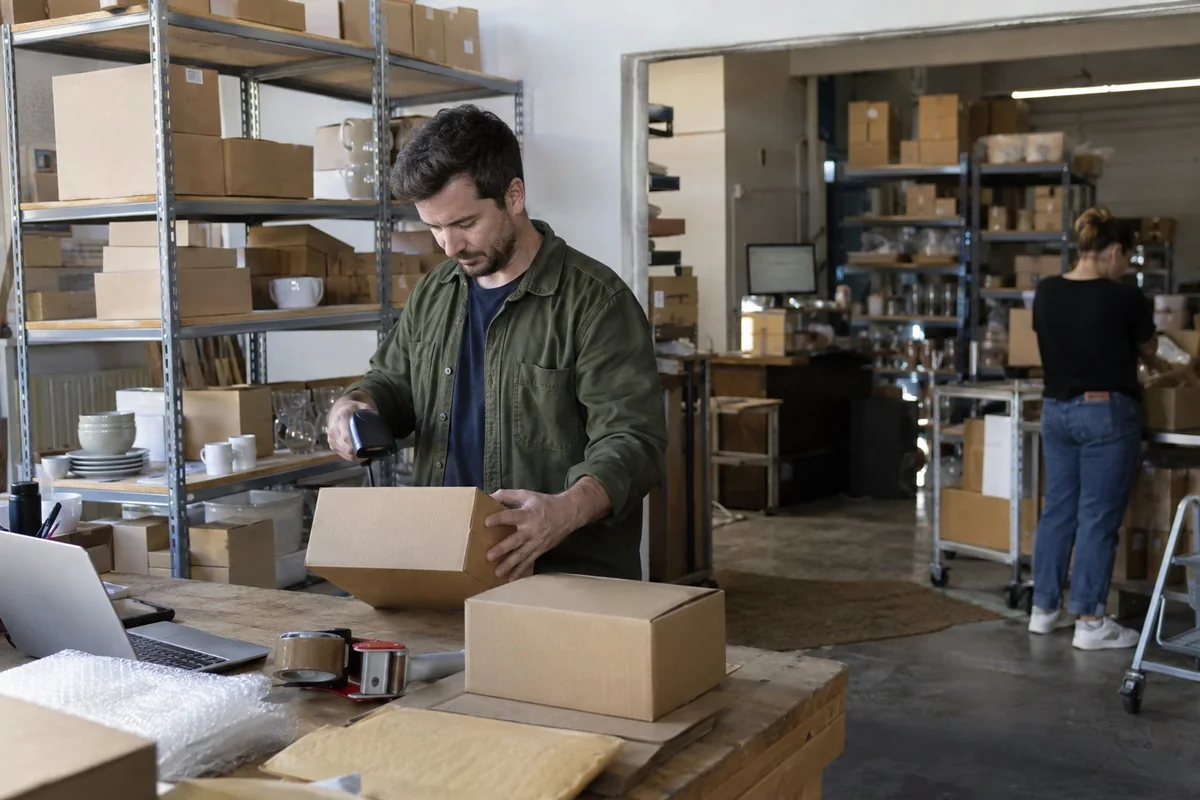
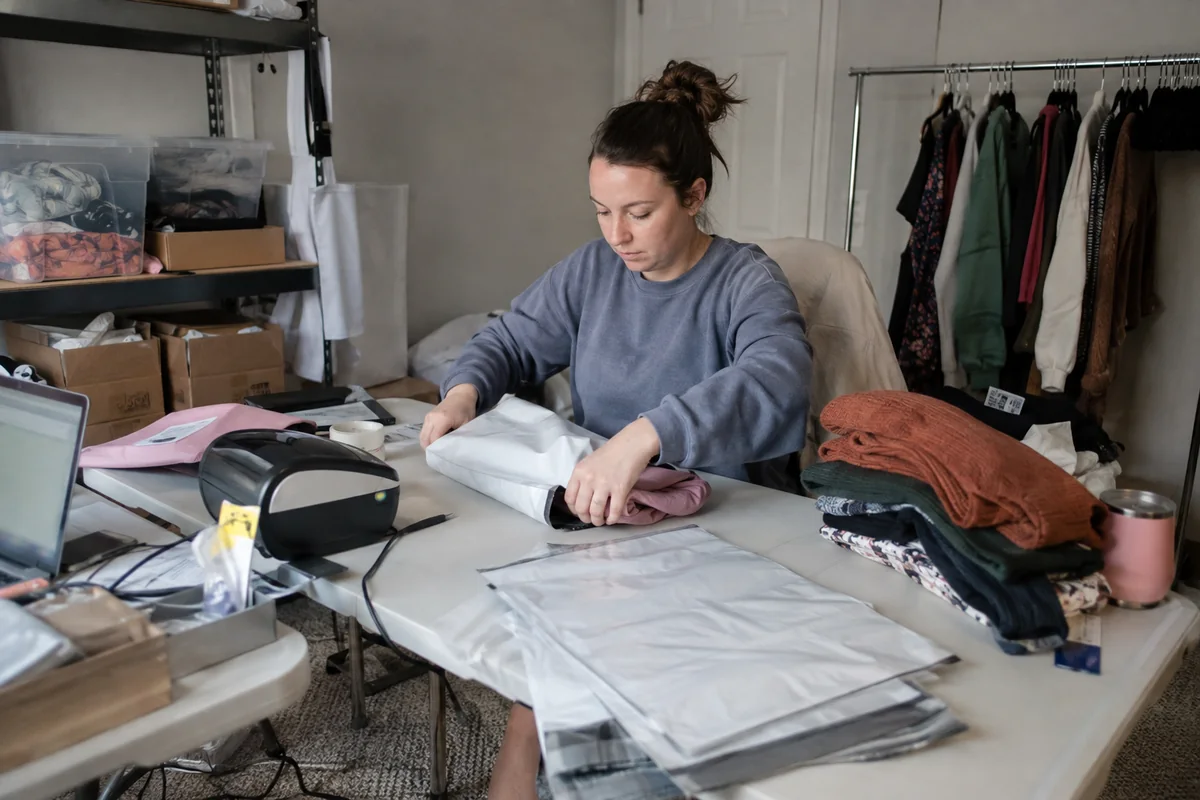
A dropshipping buyer is a stranger who sees a product, buys on impulse and then waits for it to ship. The ad has to do all the selling, so the right objective is Sales, optimised for Purchase. It needs a pixel that reports Purchase events, and a new store has none yet. On Shopify, you pick your pixel under Sales channels > Facebook & Instagram > Settings > Customer data-sharing.
Three things are specific to this business.
Margin decides what you can run. Shopify says typical margins on products from open marketplaces are 10% to 15%, and 20% to 50% through vetted supplier networks. On a $60 order, 10% to 15% is $6 to $9 of profit. Pick products with enough price room to pay for the click, or bundle two items to raise the order value.
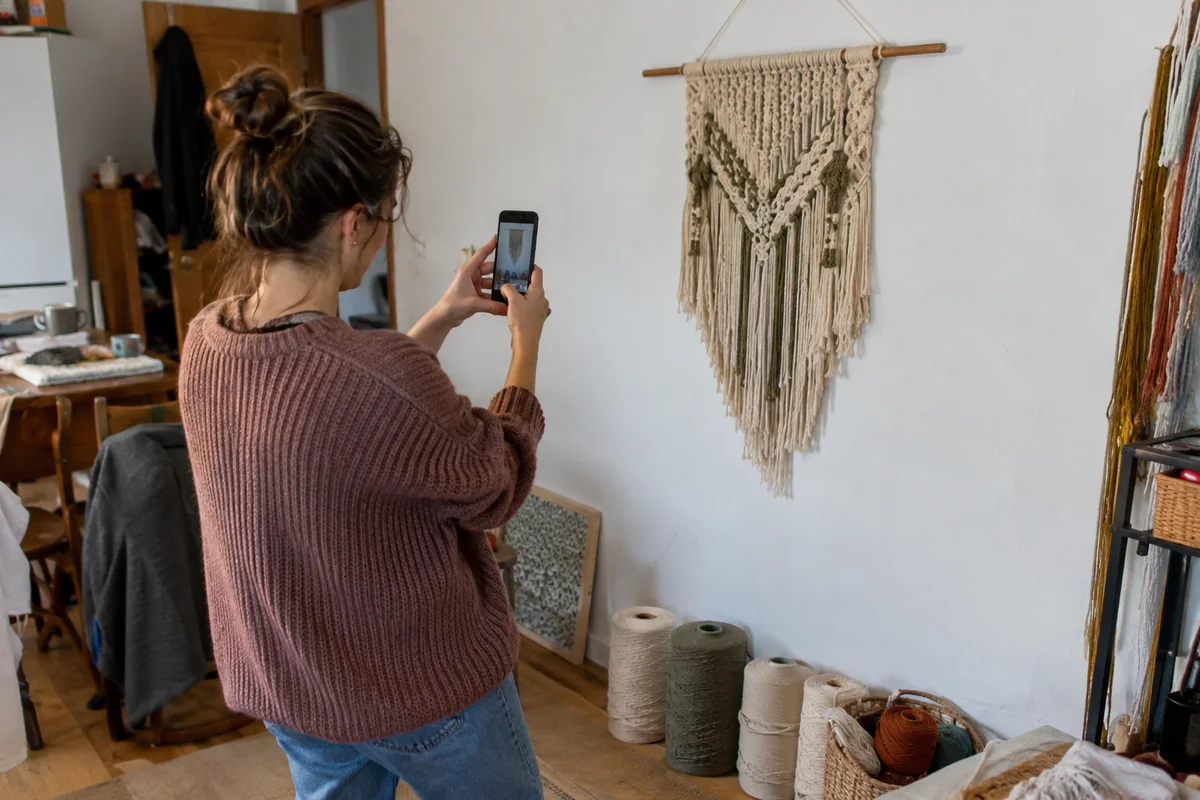
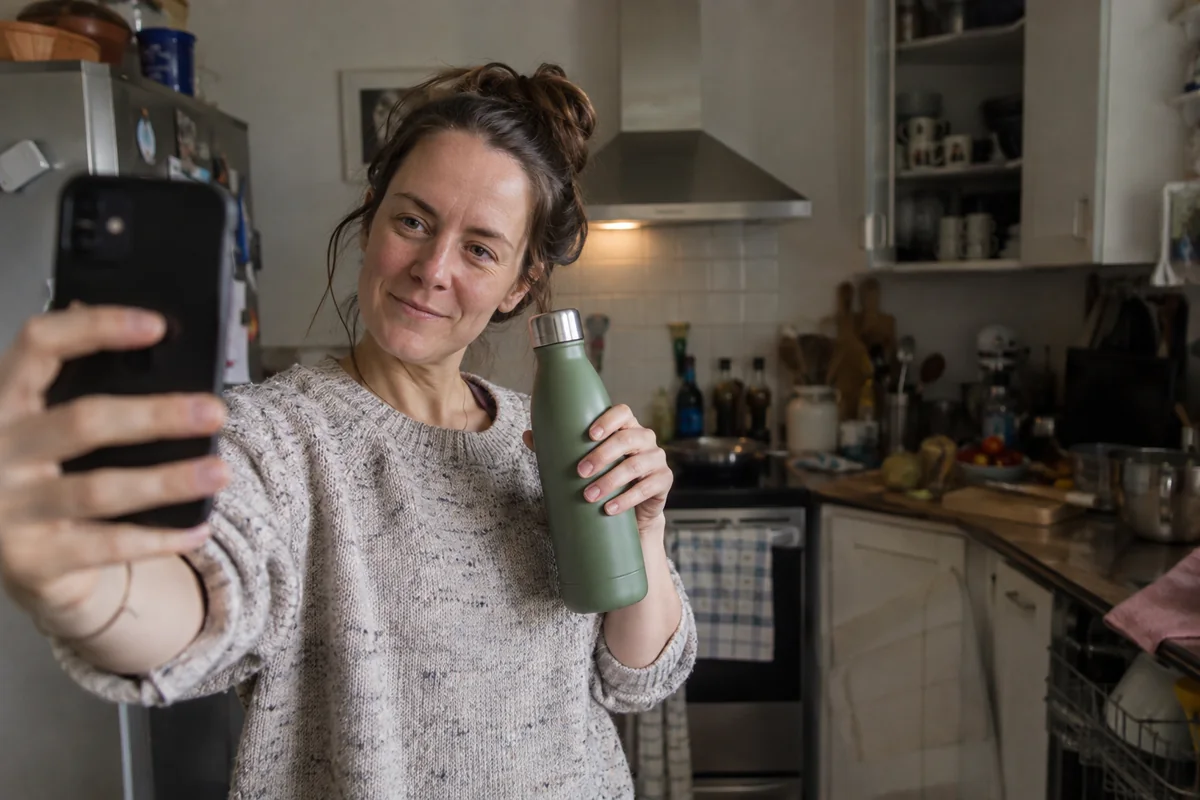
Show the product being used. Short vertical video of a person using the item usually answers "does it work?" faster than a supplier photo. ScaleShot makes AI UGC creator videos and animated clips of 4 to 10 seconds. See UGC ads for the format, and product ad examples for static ones.
Mind the calendar. Q4 CPMs run 25% to 50% higher than Q1 for ecommerce, and the November to December peak can reach double Q1. If you start in October, use the weeks before Black Friday to find your winning creative, not to learn Ads Manager.
How to set up Facebook ads for a dropshipping store
- Work out your break-even first. Take the price, subtract the supplier cost and shipping, and compare what is left with the average cost per purchase quoted above. If the gap is negative, change the product or the price before spending anything.
- Install the pixel once. Connect it through Shopify's Facebook & Instagram channel and remove any pixel code you pasted into your theme by hand, or Shopify warns you may get duplicate or incorrect data in your reports. Our guide to Shopify Facebook ads covers the rest of the store side.
- Give ScaleShot your store link. It learns the business from the store link, logo, colours, fonts and voice.
- Ask the Ads Agent for a 30-day plan and a first batch of ads. It researches the market, then makes image ads and short video ads for you to review in the Library, where you can Remix or Edit them.
- Connect your Meta ad account and launch. Choose Sales once Purchase events are flowing; Visitors needs no pixel, so it works for a store with no sales history. The agent asks before it changes anything, such as pausing an ad or changing a budget. Run two or three different hooks side by side, as in Facebook ad creative testing.
Is $500 enough for Facebook ads for dropshipping?
It is enough to test creative, not enough to optimise. At the average cost per purchase, $500 buys roughly 12 purchases. Meta's delivery system looks for around 50 conversion events in a seven-day window to stabilise, which at that average is about $1,950 a week. Below that, judge the test on click-through rate (the ecommerce average is 2.39%) and on whether any hook gets a purchase at all, not on a stable cost per purchase.
The bigger issue is break-even. The average ecommerce ROAS in that same data is 1.88. At 10% to 15% margins you would need roughly 6.7 to 10 in revenue per ad dollar just to cover ad spend, before transaction fees or refunds (1 divided by the margin). Dropshipping stores with thin margins need a higher order value, a bundle, or a better supplier, not just better ads.
Our own costs, so you can budget both parts: ScaleShot's 2-week plan is $19.95 for the first 2 weeks, then $42 every 2 weeks, with 500 credits per period. A Fast image is 10 credits, an HQ image 20, and video 10 credits per second, so a 6-second clip is 60 credits. Meta bills ad spend separately, ScaleShot runs Meta ads only, and it does not guarantee sales.
What mistakes get dropshipping ads into trouble?
Promising delivery you can't meet. Shopify says shipping can take up to 60 days depending on the destination. Under the FTC's Mail, Internet, or Telephone Order Merchandise Rule, you need a reasonable basis for any shipping claim, or for shipping within 30 days if you make none. If you cannot ship on time you must get the customer's consent to the delay, and if they decline, refund them within seven working days for non-credit payments. Put the real delivery window in the ad and on the product page.
Ads that don't match what arrives. Meta's ad standards say the products promoted in an ad must match those on the landing page. Supplier photos of a different colour or model are a quick way to refunds and rejected ads.
Fake urgency and pricing. Meta's policy on unacceptable business practices names deceptive pricing as a prohibited commercial practice. A "sale ends tonight" banner that never ends is the typical example.
Editing during the learning phase. Portent notes that major edits disrupt data-gathering, so change one thing at a time and give each test a few days.
Common dropshipping ad questions
What is the cost per 1,000 views on Facebook ads?
The ecommerce average CPM in the 2026 Triple Whale data, as reported by Coupler, is $15.06 per 1,000 impressions. It rises in Q4.
Can I run dropshipping ads without a pixel?
Yes, with a Visitors campaign, which needs no pixel. It sends traffic but gives Meta no purchase data to learn from, so add the pixel as soon as you can.
Do I need UGC creators for video ads?
Not with ScaleShot: it makes AI UGC creator videos, and it does not provide human creators.
Can the agent change my budget without asking?
No. ScaleShot's help says it always asks before it changes anything.
Is this different from general ecommerce ads?
The mechanics are the same, as covered in Facebook ads for ecommerce. Margin and shipping time are what change for dropshipping.
ScaleShot TeamWe build ScaleShot, an AI ad tool for small businesses on Facebook and Instagram. How we make our guides
Sources
- Business Guide to the FTC's Mail, Internet, or Telephone Order Merchandise Rule, Federal Trade Commission
- Facebook Ads Statistics 2026: Benchmarks by Objective, Industry and Format (Triple Whale data), Coupler.io
- What Is a Good CPM for Facebook Ads? 2026 Benchmarks & Data, Influee
- Dropshipping Fulfillment: The Complete Guide (2026), Shopify
- What Is Dropshipping and How Does It Work? (2026), Shopify
- Meta pixel, Shopify Help Center
- Introduction to the Advertising Standards, Meta Transparency Center
- Everything You Need to Know About Facebook's Learning Phase, Portent
- Unacceptable Business Practices, Meta Transparency Center